MOJi辞書 Plugin is a browser extension offering a comprehensive Japanese dictionary and learning tool. With over 1 million entries, it provides an extensive collection of words, phrases, and grammar explanations to assist users in learning and improving their Japanese language skills. The plugin offers features such as easy search, advanced dictionary, furigana support, and a pop-up dictionary, making it a versatile tool for Japanese language learners and enthusiasts.
MOJi Dictionary Plugin
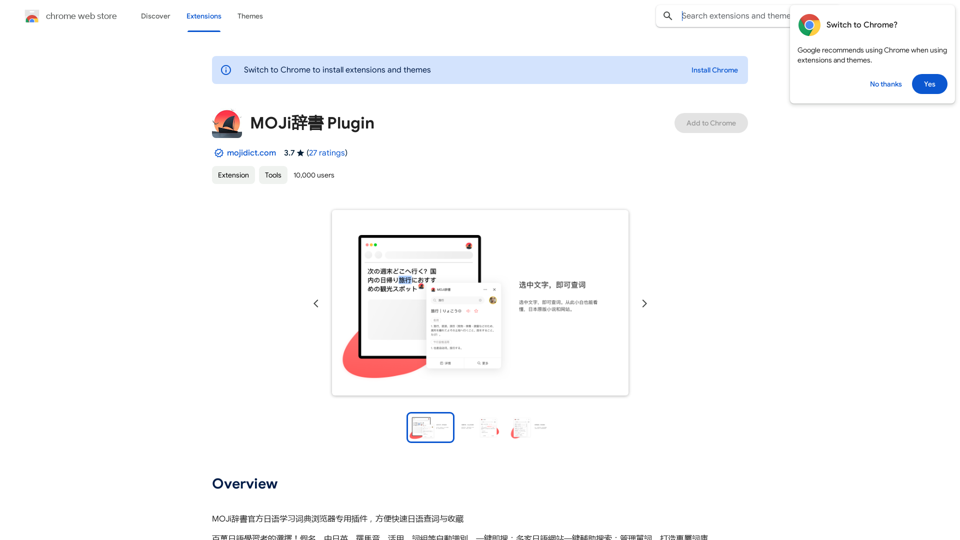
MOJi Dictionary is an official Japanese learning dictionary browser extension that makes it easy and fast to look up and save Japanese words.
Introduction
Feature
Easy Search
- Automatic search for words and phrases in Japanese, English, and other languages
- Cloud-based high-precision prediction results
- Support for multiple search engines and online dictionaries
Advanced Dictionary
- Vast array of words, phrases, and grammar explanations
- Detailed information on Japanese vocabulary, including kanji, hiragana, and katakana
- English translations and example sentences
Furigana Support
- Automatic addition of furigana to kanji characters
- Multi-language support (Japanese, English, Chinese)
Pop-up Dictionary
- Displays dictionary entries when double-clicking text on web pages
- Instant access to word definitions, translations, and example sentences
Premium Features
- Advanced dictionary access
- Furigana customization
- Enhanced pop-up dictionary functionality
FAQ
What is MOJi辞書 Plugin?
MOJi辞書 Plugin is a browser extension that provides a comprehensive Japanese dictionary and learning tool, offering over 1 million entries of words, phrases, and grammar explanations to help users learn and improve their Japanese language skills.
How do I use the MOJi辞書 Plugin?
To use the MOJi辞書 Plugin:
- Install it from the Chrome Web Store
- Click the plugin icon in the browser's top right corner
- Use the search bar to find words and phrases
- Browse dictionary entries to learn new vocabulary
- Utilize the furigana feature for kanji characters
- Access the pop-up dictionary by double-clicking text on web pages
Is the MOJi辞書 Plugin free?
Yes, the MOJi辞書 Plugin is free to use. However, it also offers optional premium features and subscription plans for individuals and institutions who want access to advanced functionality.
Related Websites
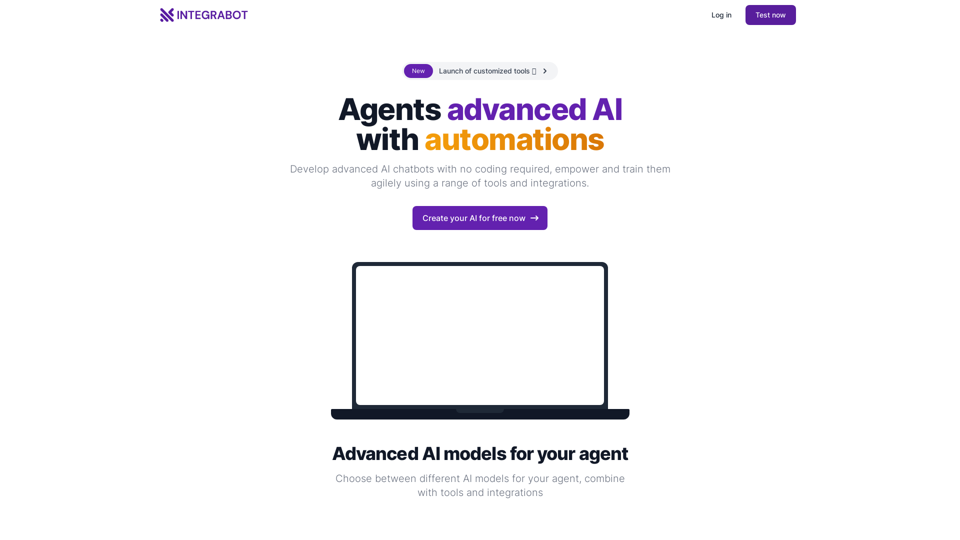
IntegraBot - Advanced Agents with AI and Automations
IntegraBot - Advanced Agents with AI and AutomationsCreate an AI chatbot from your knowledge base and add it to your website or interact with it through our API.
357
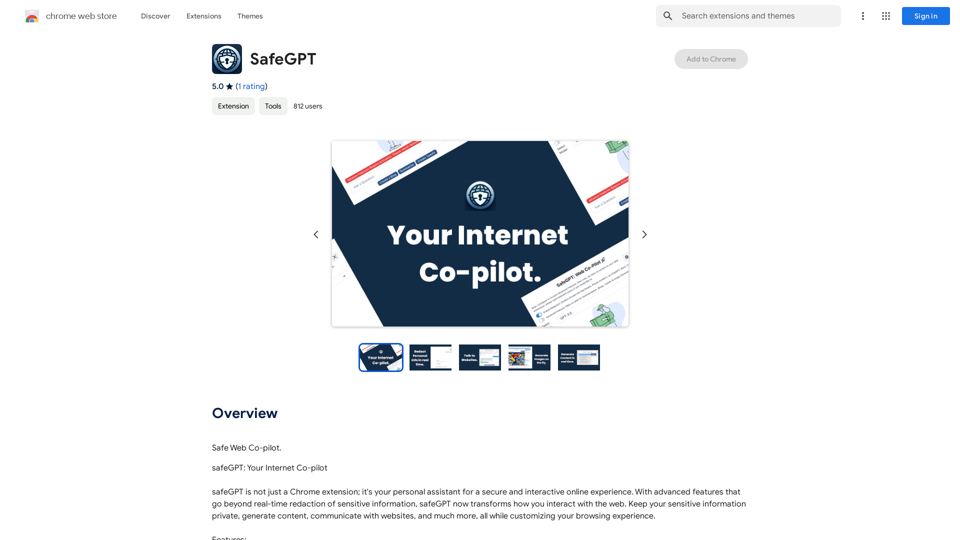
SafeGPT =============== SafeGPT is an AI model designed to generate human-like text while avoiding harmful or toxic content. It is trained on a massive dataset of text from the internet and can understand and respond to user input in a conversational manner. SafeGPT is capable of generating text on a wide range of topics, from simple questions to complex discussions, and can even create stories, dialogues, and more. Key Features: * Harmless responses: SafeGPT is designed to avoid generating harmful or toxic content, making it a safe and reliable tool for users of all ages. * Conversational understanding: SafeGPT can understand and respond to user input in a conversational manner, making it feel more like a human-like interaction. * Creative freedom: SafeGPT can generate text on a wide range of topics, from simple questions to complex discussions, and can even create stories, dialogues, and more. * Continuous learning: SafeGPT is constantly learning and improving its responses based on user feedback, ensuring that it becomes more accurate and helpful over time. Use Cases: * Chatbots and virtual assistants: SafeGPT can be used to power chatbots and virtual assistants, providing users with a safe and reliable way to interact with machines. * Content generation: SafeGPT can be used to generate content for websites, social media, and other platforms, helping to reduce the workload of content creators. * Language learning: SafeGPT can be used to help language learners practice their conversational skills, providing them with a safe and interactive way to improve their language abilities. Benefits: * Improved safety: SafeGPT's ability to avoid generating harmful or toxic content makes it a safer tool for users of all ages. * Increased creativity: SafeGPT's ability to generate text on a wide range of topics and in various styles makes it a valuable tool for content creators and language learners. * Enhanced user experience: SafeGPT's conversational understanding and ability to respond in a human-like manner make it a more enjoyable and interactive tool for users.
SafeGPT =============== SafeGPT is an AI model designed to generate human-like text while avoiding harmful or toxic content. It is trained on a massive dataset of text from the internet and can understand and respond to user input in a conversational manner. SafeGPT is capable of generating text on a wide range of topics, from simple questions to complex discussions, and can even create stories, dialogues, and more. Key Features: * Harmless responses: SafeGPT is designed to avoid generating harmful or toxic content, making it a safe and reliable tool for users of all ages. * Conversational understanding: SafeGPT can understand and respond to user input in a conversational manner, making it feel more like a human-like interaction. * Creative freedom: SafeGPT can generate text on a wide range of topics, from simple questions to complex discussions, and can even create stories, dialogues, and more. * Continuous learning: SafeGPT is constantly learning and improving its responses based on user feedback, ensuring that it becomes more accurate and helpful over time. Use Cases: * Chatbots and virtual assistants: SafeGPT can be used to power chatbots and virtual assistants, providing users with a safe and reliable way to interact with machines. * Content generation: SafeGPT can be used to generate content for websites, social media, and other platforms, helping to reduce the workload of content creators. * Language learning: SafeGPT can be used to help language learners practice their conversational skills, providing them with a safe and interactive way to improve their language abilities. Benefits: * Improved safety: SafeGPT's ability to avoid generating harmful or toxic content makes it a safer tool for users of all ages. * Increased creativity: SafeGPT's ability to generate text on a wide range of topics and in various styles makes it a valuable tool for content creators and language learners. * Enhanced user experience: SafeGPT's conversational understanding and ability to respond in a human-like manner make it a more enjoyable and interactive tool for users.Safe Web Co-pilot
193.90 M

AiReelGenerator.com | Faceless Videos on Autopilot.
AiReelGenerator.com | Faceless Videos on Autopilot.Discover AiReelGenerator, the newest app that automatically makes videos without faces. Just pick a subject, and our AI will make and upload fresh videos to your YouTube, TikTok, Instagram, or Facebook account every day.
196
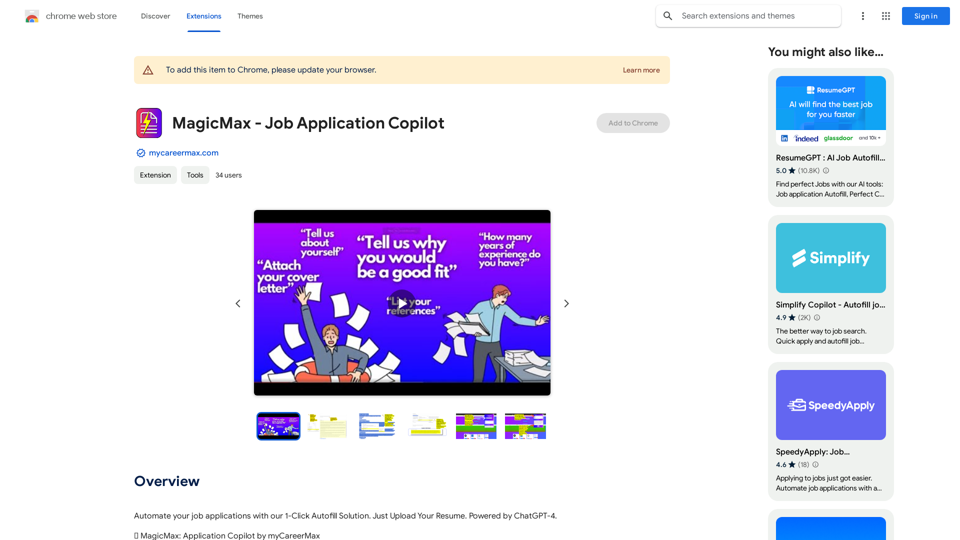
Automate your job applications with our 1-Click Autofill Solution. Just upload your resume. Powered by ChatGPT-4.
193.90 M

SEO2 - Legal AI Like Nothing Else on the Market. - AI.Law - ai.law
SEO2 - Legal AI Like Nothing Else on the Market. - AI.Law - ai.lawLegal AI like nothing else on the market. Get Started “>”>Trusted by lawyers to solve thousands of legal challenges monthly. AI Law provides you with top-quality legal work without the hassle. No more drafting from scratch—just high-quality results. Complaint Drafting Draft pleadings without the hassle of hours of research. AI Law will assemble a complete lawsuit […]
15.50 K