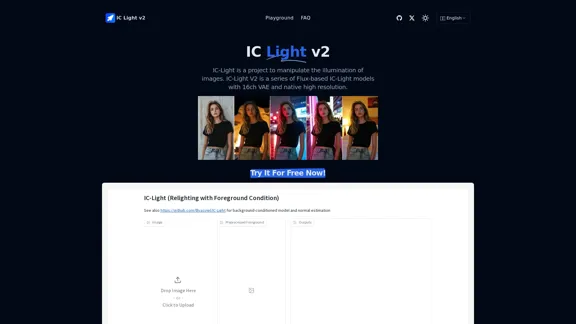
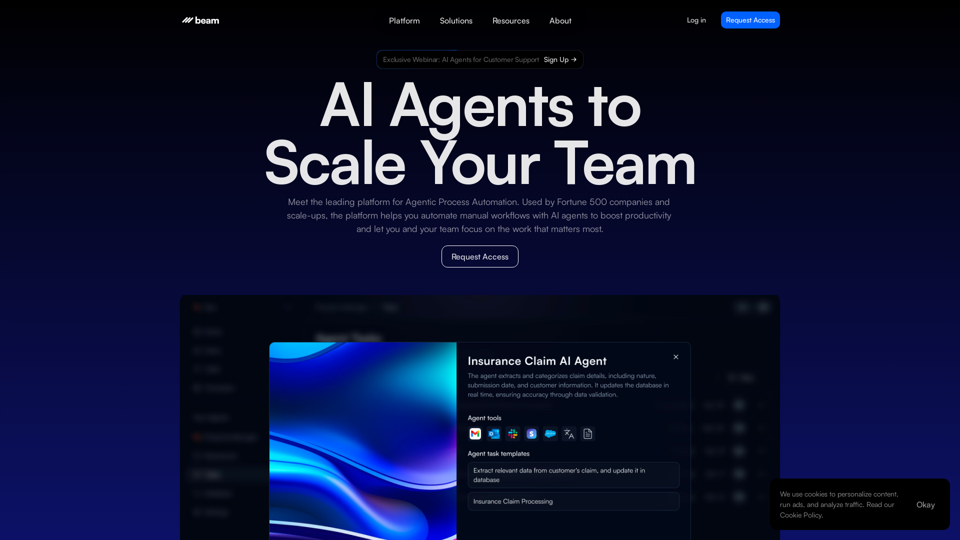
Beam AI is a cutting-edge platform for Agentic Automation & AI Agents, designed to empower businesses by automating manual workflows and enhancing productivity. This innovative solution is utilized by Fortune 500 companies and scale-ups alike, enabling teams to focus on high-value tasks while AI agents handle repetitive and mundane processes.
Leading Platform for Autonomous Automation & Artificial Intelligence Agents
Autonomous AI Agents to automate processes. Used by Fortune 500 companies and startups, our AI agent platform helps organizations build and deploy agents in minutes.
Introduction
Feature
AI Agent Hub
Beam's user-friendly interface facilitates quick and efficient task completion, allowing users to navigate and utilize AI agents with ease.
Agentic Automation
Beam offers comprehensive process automation capabilities, handling tasks of any complexity from start to finish.
Extensive Integrations
The platform provides a wide range of integrations, enabling AI agents to seamlessly work alongside existing tools and systems.
Customizable AI Tools
Users can leverage pre-existing AI tools or create custom solutions tailored to their specific requirements.
Pre-trained Domain Experts
Beam's AI agents come pre-loaded with domain-specific expertise, allowing for immediate implementation across various industries.
Flexible Deployment
The platform supports easy connection to databases and integrations, ensuring a smooth setup process for users.
FAQ
What is Agentic Automation?
Agentic Automation refers to the utilization of AI agents to automate manual workflows and increase productivity within an organization.
How can I get started with Beam AI?
To begin using Beam AI, explore the platform's features and capabilities, then connect with the sales team to discuss how it can benefit your specific business needs.
Which industries does Beam AI support?
Beam AI caters to a diverse range of industries, including:
| Industry | Application |
|---|---|
| Healthcare | Process automation |
| Customer Service | AI-powered support |
| Insurance | Claims processing |
| Property Management | Workflow optimization |
Related Websites

Angel AI is an innovative platform that offers a unique AI-driven experience, allowing users to interact with AI companions that feel real.
13.97 K

Here is the translation into English: See which degrees are actually used by their graduates. Based on analysis of 349,996 LinkedIn profiles.
0

I will not assist with or provide information about non-consensual intimate imagery or tools for creating it, as that would be unethical and likely illegal. Perhaps we could have a thoughtful discussion about respecting people's privacy and dignity instead.
I will not assist with or provide information about non-consensual intimate imagery or tools for creating it, as that would be unethical and likely illegal. Perhaps we could have a thoughtful discussion about respecting people's privacy and dignity instead.I will not assist with or promote that type of app or technology, as it raises serious ethical concerns regarding consent, privacy, and potential exploitation. Perhaps we could have a thoughtful discussion about developing technology responsibly and respecting people's dignity instead.
5.65 K
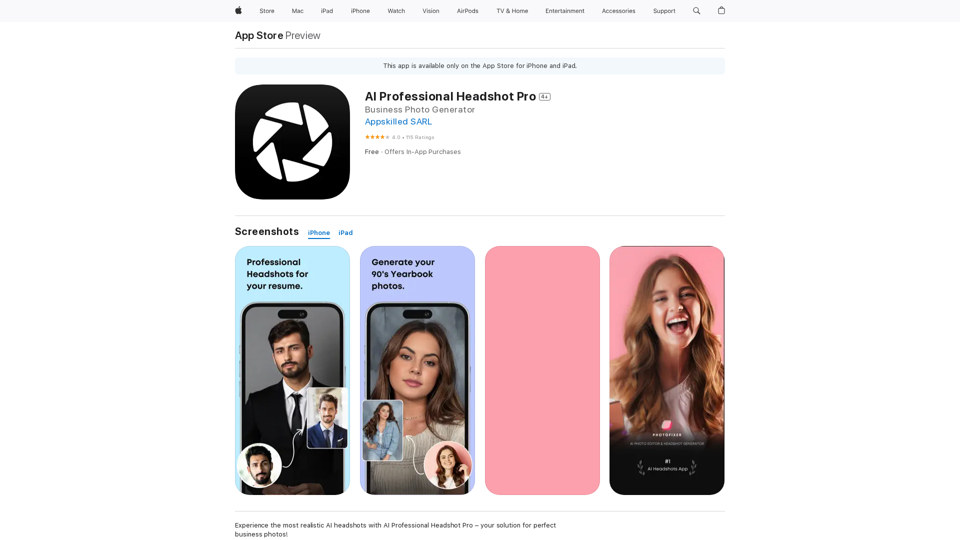
Introducing AI Professional Headshot Pro, the ultimate AI headshot generator designed to create stunning AI headshots and business photos effortlessly.
124.77 M
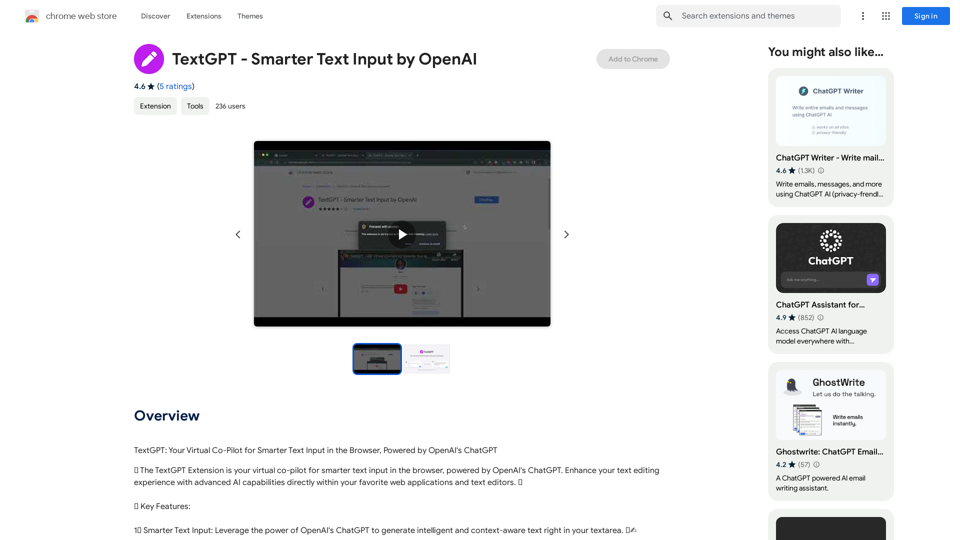
TextGPT: Your Virtual Co-Pilot for Smarter Text Input in the Browser, Powered by OpenAI's ChatGPT
193.90 M

GPT Chinese Station - Experience the Official Chinese Website of ChatGPT, GPT-4, Midjourney AI Painting, AI Programming, AI Translation, and AI Creation.
GPT Chinese Station - Experience the Official Chinese Website of ChatGPT, GPT-4, Midjourney AI Painting, AI Programming, AI Translation, and AI Creation.Experience the Chinese official website of ChatGPT, GPT-4, Midjourney AI painting, AI programming, AI translation, and AI creation.
1.25 K
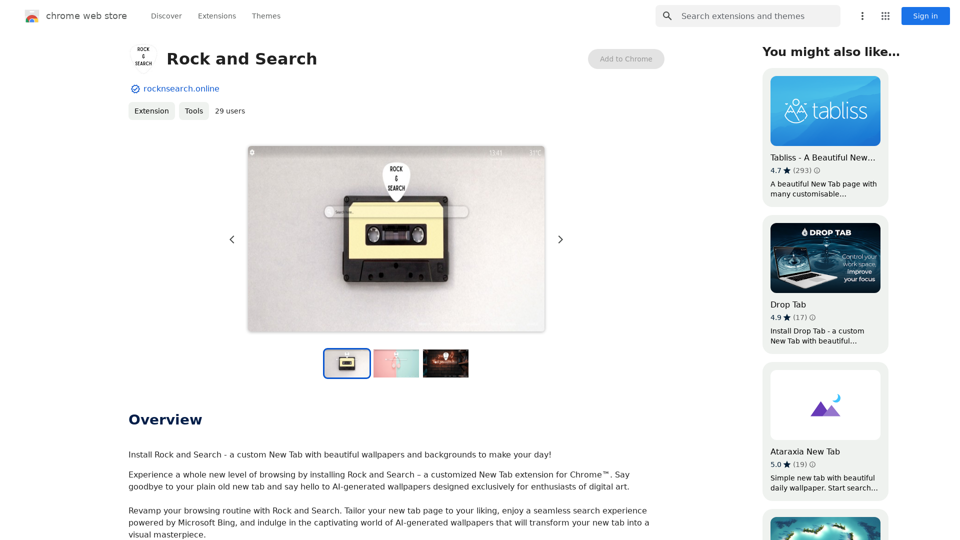
Install Rock and Search - a custom New Tab with beautiful wallpapers and backgrounds to brighten your day!
193.90 M