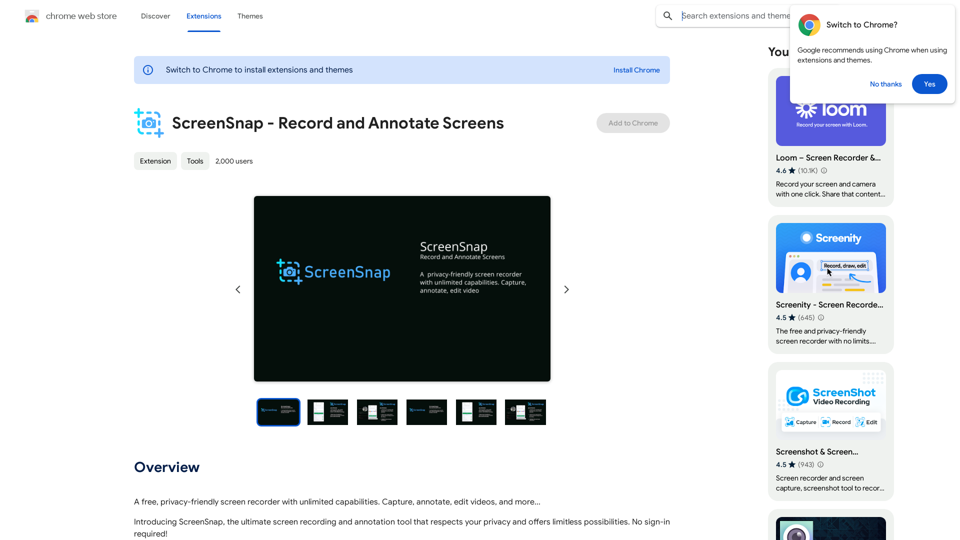
ScreenSnap is a free, privacy-focused screen recording tool that offers unlimited capabilities without requiring user sign-in. It provides a comprehensive set of features for capturing, annotating, and editing videos, making it an ideal solution for various purposes such as work, education, and personal projects.
ScreenSnap - Record and Annotate Screens
A free, privacy-friendly screen recorder with unlimited capabilities. Capture, annotate, edit videos, and more...
Introduction
Feature
Versatile Recording Options
- Record tabs, specific areas, desktops, applications, or cameras
- Capture microphone or internal audio with push-to-talk functionality
- Unlimited recordings without restrictions
Advanced Annotation and Editing Tools
- Add drawings, text, arrows, and shapes to recordings
- AI-powered camera backgrounds and blur effects
- Blur sensitive content for privacy
- Comprehensive editor for audio manipulation, cutting, trimming, and cropping
Enhanced Presentation Features
- Highlight clicks and cursor movements
- Spotlight mode for focused presentations
- Set alarms for automatic recording stops
Flexible Export Options
- Export recordings as mp4, gif, or webm formats
Customizable User Experience
- Customize with countdowns, UI hiding, and flexible UI placement
- Privacy-focused design, ensuring user data remains private
Accessibility
- Free extension with unlimited usage
- No sign-in required
FAQ
Is ScreenSnap free to use?
Yes, ScreenSnap is a free extension that offers unlimited usage without any cost to the user.
Do I need to create an account to use ScreenSnap?
No, ScreenSnap does not require users to sign in or create an account to access its features.
What can I use ScreenSnap for?
ScreenSnap can be used for various purposes, including:
- Creating tutorial videos for teams or students
- Demonstrating software or app usage
- Making video presentations
- Recording screen and camera simultaneously
How does ScreenSnap ensure data privacy?
ScreenSnap is designed with privacy in mind. Only you have access to your videos, ensuring that your data remains private and secure.
Related Websites
Software Defined Radio - Generative Pre-trained Transformer
Software Defined Radio - Generative Pre-trained TransformerThe official SDR-GPT Chrome extension. Hyper-personalization on autopilot.
193.90 M
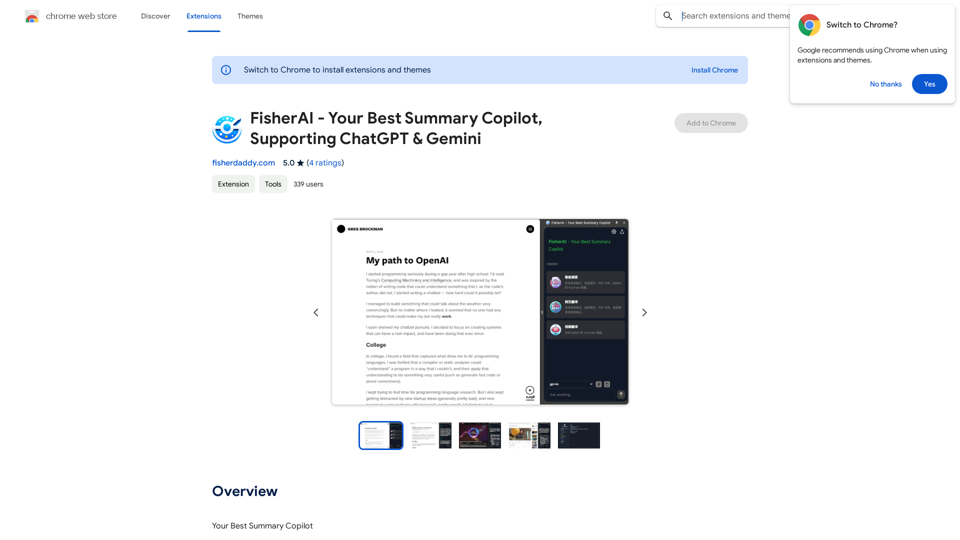
FisherAI - Your Best Summary Copilot, Supporting ChatGPT & Gemini
FisherAI - Your Best Summary Copilot, Supporting ChatGPT & GeminiYour Best AI Summary Assistant
193.90 M
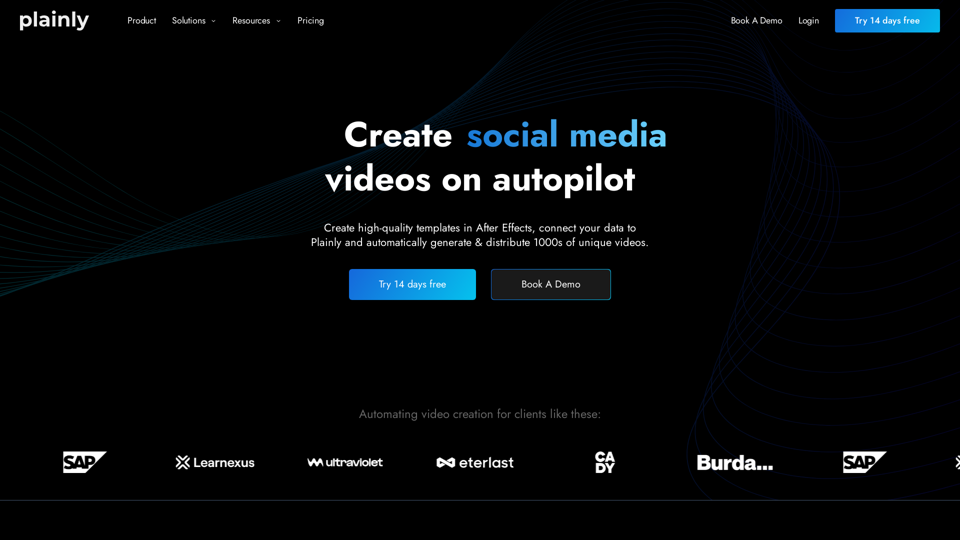
Plainly is a simple-to-use video automation software. Create automated video creation workflows and generate 1000s of videos in clicks
81.82 K
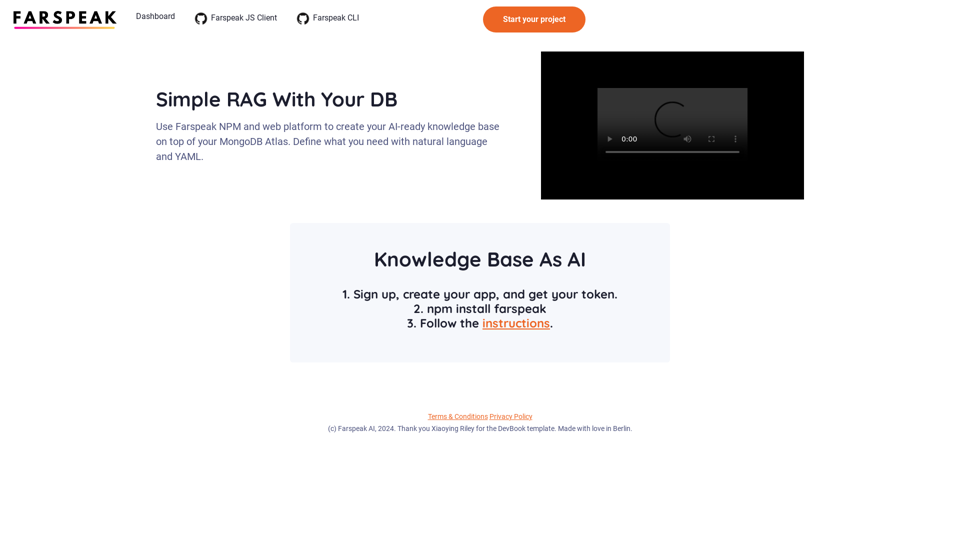
Farspeak is a Gen AI platform made for building apps. It makes it easy to create AI-powered knowledge bases and connect them to your MongoDB Atlas database.
0
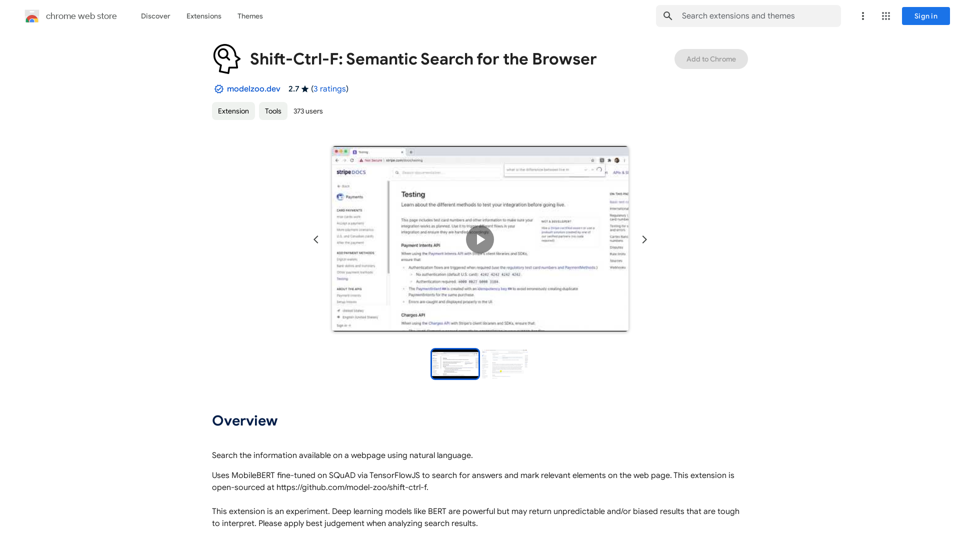
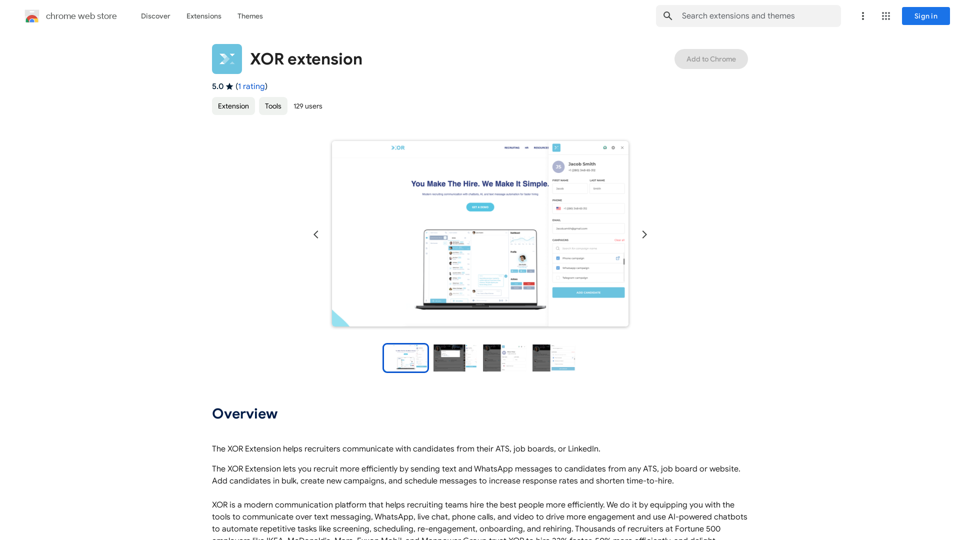
The XOR Extension lets recruiters talk to candidates from their Applicant Tracking System (ATS), job boards, or LinkedIn.
193.90 M