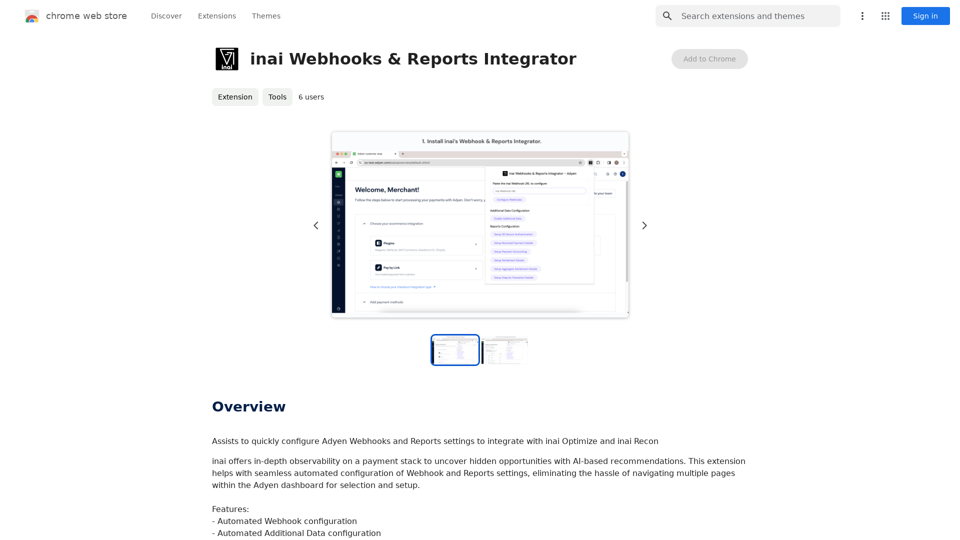
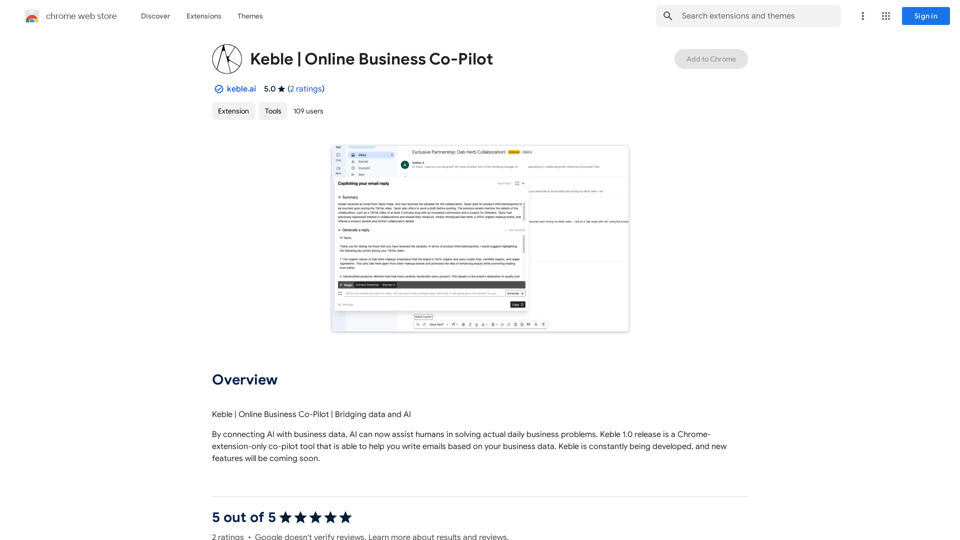
inai Webhooks & Reports Integrator is a Chrome extension designed to streamline the configuration process of Adyen Webhooks and Reports settings for integration with inai Optimize and inai Recon. This tool simplifies the setup process, eliminating the need to navigate through multiple pages in the Adyen dashboard. It offers automated configuration for Webhooks, Additional Data, and Reports, making it an efficient solution for users looking to enhance their payment stack integration.
inai Webhooks & Reports Integrator is a Chrome extension that simplifies the configuration of Adyen Webhooks and Reports settings for integration with inai Optimize and inai Recon.
What are the main features of inai Webhooks & Reports Integrator?
The main features include:
Automated Webhook configuration
Automated Additional Data configuration
Automated Reports configuration
How do I use inai Webhooks & Reports Integrator?
Users can utilize the extension to automate the configuration of Webhook and Reports settings, eliminating the need to navigate multiple pages within the Adyen dashboard for selection and setup.
Is inai Webhooks & Reports Integrator free to use?
Yes, the extension is free to use, with no additional costs or subscription fees.
Are there any tips for using inai Webhooks & Reports Integrator?
Follow the installation instructions carefully for smooth integration
Take advantage of the automated configuration features to save time
Explore the inai platform for additional AI-based recommendations and insights
Slash Commands for ChatGPT and Bard
=====================================
Introduction
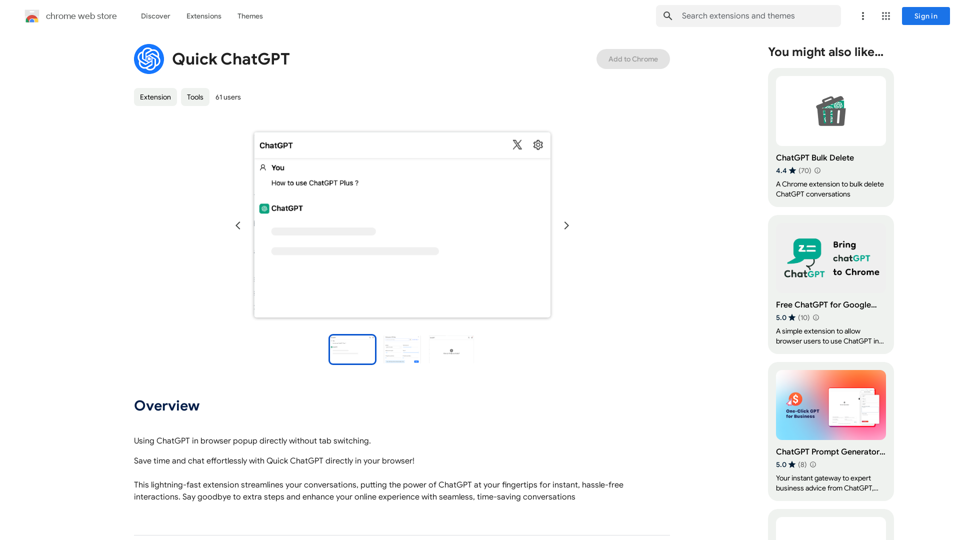
Slash commands are a convenient way to interact with ChatGPT and Bard, allowing you to perform various tasks and actions within the chat interface. This guide provides an overview of the available slash commands for both ChatGPT and Bard.
ChatGPT Slash Commands
#General Commands
* `/help`: Displays a list of available slash commands and their descriptions.
* `/reset`: Resets the conversation, clearing all previous messages and context.
#Conversation Management
* `/start`: Starts a new conversation, allowing you to begin a fresh topic or task.
* `/stop`: Ends the current conversation, stopping any ongoing tasks or topics.
#Language and Tone
* `/lang <language_code>`: Sets the language for the conversation (e.g., `/lang en` for English).
* `/tone <tone>`: Adjusts the tone of the responses (e.g., `/tone formal` for formal tone).
#Task Management
* `/task <task_name>`: Creates a new task or topic for the conversation (e.g., `/task math problem`).
* `/done`: Marks the current task as completed.
#Information and Resources
* `/define <word>`: Provides the definition of a word or phrase.
* `/wiki <topic>`: Displays information about a topic from Wikipedia.
Bard Slash Commands
#General Commands
* `/help`: Displays a list of available slash commands and their descriptions.
* `/reset`: Resets the conversation, clearing all previous messages and context.
#Conversation Management
* `/start`: Starts a new conversation, allowing you to begin a fresh topic or task.
* `/stop`: Ends the current conversation, stopping any ongoing tasks or topics.
#Language and Tone
* `/lang <language_code>`: Sets the language for the conversation (e.g., `/lang en` for English).
* `/tone <tone>`: Adjusts the tone of the responses (e.g., `/tone formal` for formal tone).
#Task Management
* `/task <task_name>`: Creates a new task or topic for the conversation (e.g., `/task math problem`).
* `/done`: Marks the current task as completed.
#Information and Resources
* `/define <word>`: Provides the definition of a word or phrase.
* `/wiki <topic>`: Displays information about a topic from Wikipedia.
* `/news <topic>`: Displays news articles related to a specific topic.
Conclusion
Slash commands provide a convenient way to interact with ChatGPT and Bard, allowing you to manage conversations, adjust language and tone, and access various resources. By mastering these commands, you can optimize your experience and get the most out of your interactions with these AI models.
Interfacing with AI
This document explores the various ways humans interact with artificial intelligence (AI).
Types of Interfaces
* Text-based Interfaces: These interfaces allow users to communicate with AI systems through written language.
* Examples include chatbots, command-line interfaces, and search engines.
* Voice-based Interfaces: Users interact with AI using spoken words.
* Examples include virtual assistants like Siri, Alexa, and Google Assistant.
* Graphical User Interfaces (GUIs): These interfaces use visual elements like icons, buttons, and menus to enable interaction with AI.
* Examples include AI-powered image editing software and virtual reality experiences.
* Gesture-based Interfaces: Users control AI systems through physical movements.
* Examples include motion-controlled gaming and sign language recognition.
Challenges of AI Interfacing
* Natural Language Understanding (NLU): AI systems struggle to fully understand the nuances of human language.
* Contextual Awareness: AI often lacks the ability to understand the broader context of a conversation or interaction.
* Personalization: Creating AI interfaces that are tailored to individual user preferences and needs can be complex.
* Ethical Considerations:
* Bias in AI algorithms can lead to unfair or discriminatory outcomes.
* Privacy concerns arise when AI systems collect and process personal data.
Future of AI Interfacing
* More Natural and Intuitive Interactions: Advancements in NLU and machine learning will lead to AI systems that can understand and respond to human input more naturally.
* Multi-modal Interfaces: Future interfaces will likely combine multiple input methods (e.g., text, voice, gesture) for a richer and more immersive experience.
* Personalized AI Assistants: AI assistants will become increasingly personalized, anticipating user needs and providing customized support.
* Ethical AI Development:
* Researchers and developers will continue to work on mitigating bias and ensuring responsible use of AI.
AI Messaging on LinkedIn
Let's explore the potential and pitfalls of using AI for messaging on LinkedIn.
Potential Benefits:
* Increased Efficiency: AI can automate repetitive tasks like sending personalized connection requests or follow-up messages, freeing up your time for more strategic activities.
* Improved Targeting: AI algorithms can analyze user profiles and identify potential connections based on shared interests, industry, or other relevant criteria.
* Enhanced Personalization: AI can help craft personalized messages that resonate with individual recipients, increasing the likelihood of engagement.
* Data-Driven Insights: AI can track message performance and provide insights into which messages are most effective, allowing you to refine your approach.
Potential Pitfalls:
* Lack of Authenticity: Overly generic or robotic messages can come across as impersonal and insincere, damaging your professional reputation.
* Ethical Concerns: Using AI to manipulate or deceive users on LinkedIn raises ethical questions about transparency and consent.
* Technical Limitations: Current AI technology may struggle to understand nuanced conversations or respond appropriately to complex queries.
* Spam and Abuse: Malicious actors could exploit AI to send spam messages or engage in other harmful activities on LinkedIn.
Best Practices:
* Use AI as a Tool, Not a Replacement: Leverage AI to enhance your messaging, but always maintain human oversight and authenticity.
* Prioritize Quality over Quantity: Focus on sending personalized messages to a targeted audience rather than mass-sending generic content.
* Be Transparent: Disclose when you are using AI to assist with your messaging, and respect user preferences for communication.
* Stay Informed: Keep up-to-date on the latest developments in AI ethics and best practices for using AI on LinkedIn.