Kimi Reading Assistant is an AI-powered browser extension designed to enhance your reading experience. It offers a variety of features including AI-assisted reading, highlighting, and note-taking capabilities for any webpage. Compatible with popular websites and supporting local file dialogue, Kimi Reading Assistant aims to improve comprehension and retention while providing a seamless reading experience across different platforms.
Kimi Reading Assistant
Enjoy the Fun of AI-Assisted Reading~
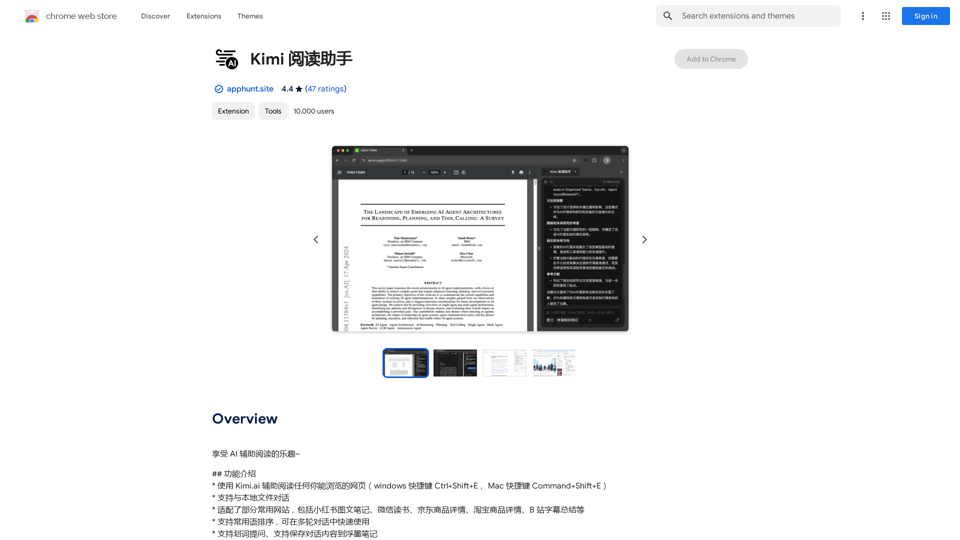
Introduction
Feature
AI-Assisted Reading
Kimi Reading Assistant provides AI-driven reading support on any webpage, enhancing user comprehension and engagement with the content.
Versatile Compatibility
- Supports local file dialogue
- Adapts to popular websites (Xiaohongshu, WeChat, JD.com, etc.)
- Compatible with Arc browser
- Supports dark theme
Advanced Text Processing
- Common sentence sorting feature
- Quick usage in multiple rounds of dialogue
- Highlighting capabilities
Note-Taking Integration
Supports saving dialogue content to Fumuxi notes, allowing users to easily store and review important information.
User-Friendly Interface
- Easy installation process
- Intuitive controls for accessing various features
FAQ
What are the system requirements for Kimi Reading Assistant?
Kimi Reading Assistant requires Chrome 116 or later to function properly. It may have limited compatibility with certain websites and platforms.
How can users maximize their experience with Kimi Reading Assistant?
To get the most out of Kimi Reading Assistant:
- Experiment with different features and tools
- Utilize AI-assisted reading for highlighting and annotation
- Take advantage of note-taking and dialogue content saving
- Use the common sentence sorting feature for efficient multi-round dialogues
What are the main benefits of using Kimi Reading Assistant?
The key benefits include:
- Enhanced reading experience through AI assistance
- Improved comprehension and retention
- Access to a range of supportive reading and learning tools
Are there any limitations to Kimi Reading Assistant?
Some limitations include:
- Browser version requirements (Chrome 116+)
- Potential compatibility issues with certain websites
- May not work with all content types or formats
Related Websites
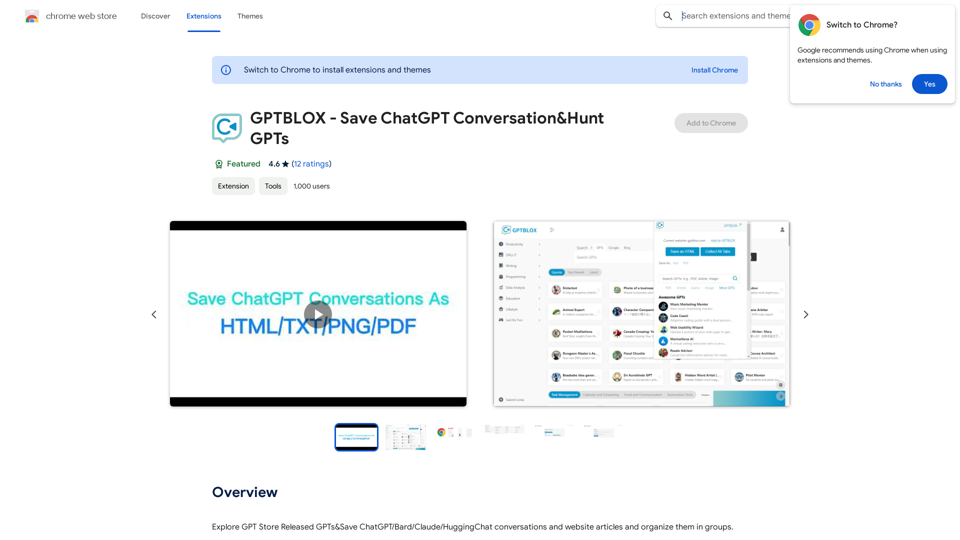
Discover the Power of GPT Store: Explore, Save, and Organize Conversations and Articles Explore the vast collection of GPTs released by the GPT Store, featuring conversations and articles from popular AI models like ChatGPT, Bard, Claude, and HuggingChat. This innovative platform allows you to: * Save conversations: Preserve valuable interactions with AI models for future reference or sharing. * Organize content: Categorize and group conversations and articles by topic, theme, or project, making it easy to access and review relevant information. Unlock the full potential of the GPT Store and streamline your workflow with its intuitive conversation and article management system.
193.90 M
SEOAIBOT is an AI-powered content creation platform designed to automate the process of researching, writing, and indexing high-quality articles for SEO purposes
3.87 K
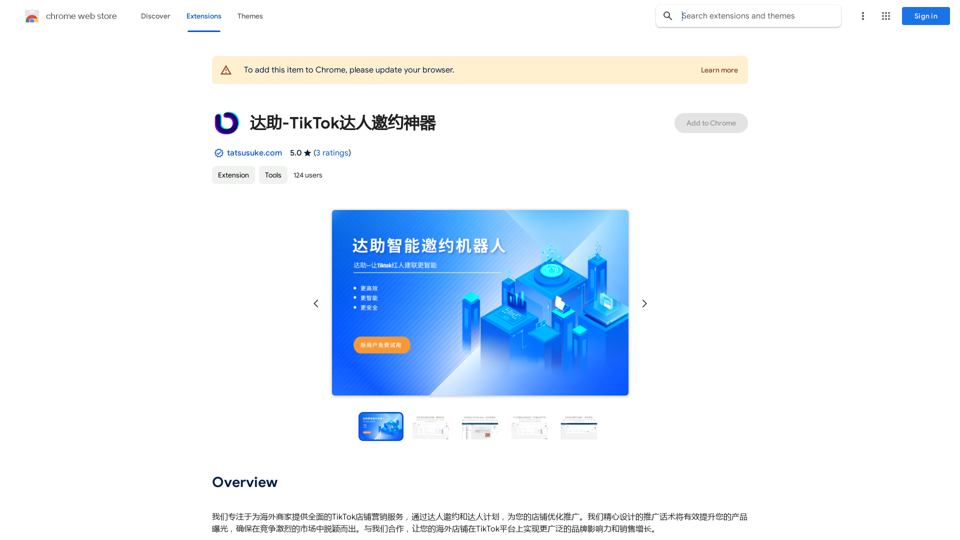
We specialize in providing comprehensive TikTok store marketing services for overseas businesses. Through influencer invitations and influencer programs, we optimize and promote your store. Our carefully designed promotional scripts will effectively increase your product exposure, ensuring you stand out in the competitive market. Partner with us to achieve wider brand influence and sales growth for your overseas store on the TikTok platform.
193.90 M
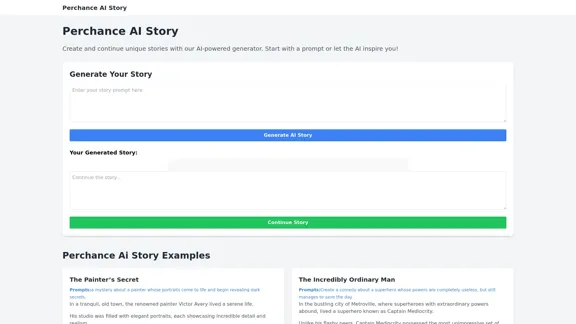
Perchance AI Story is a website that supports multiple languages and can continue to write stories.
0
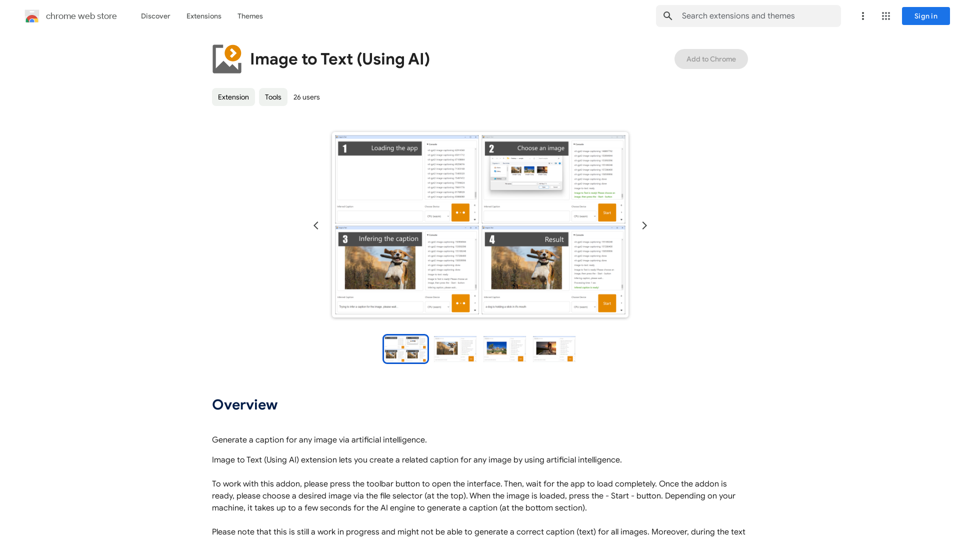
A vibrant sunset paints the sky in hues of orange, pink, and purple, casting long shadows across a tranquil lake.
193.90 M
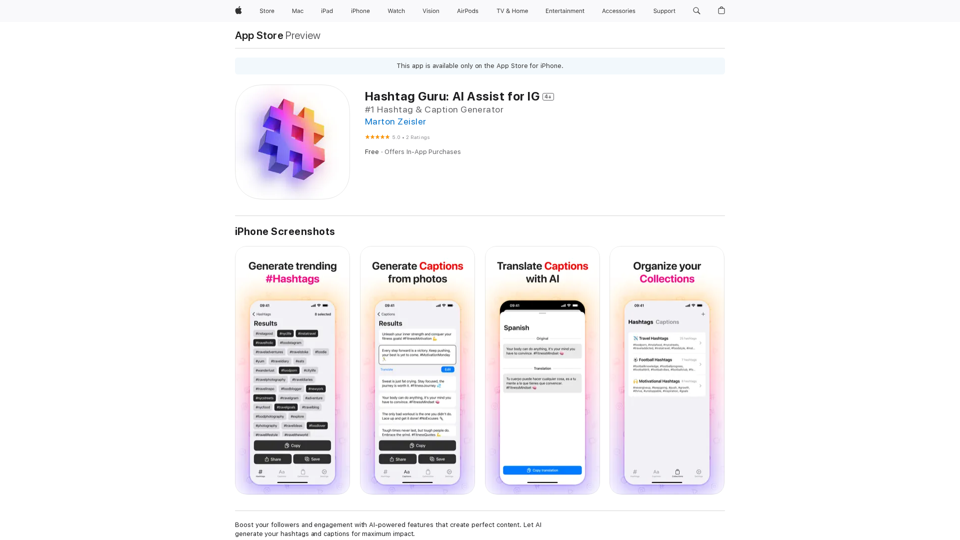
Hashtag Guru: AI Assistant for Instagram on the App Store
Hashtag Guru: AI Assistant for Instagram on the App StoreYour Ultimate AI-Powered Hashtag and Caption Generator! Unlock the secret to social media success with Hashtag Guru, the ultimate AI-driven hashtag generator and caption creator that helps you increase your online visibility, boost engagement, and grow your followers!
124.77 M