Mercury es una extensión de Chrome diseñada para usuarios de Degiro, que ofrece herramientas de seguimiento y visualización de carteras. Utiliza pronósticos de IA para ayudar a los inversores a monitorear su rendimiento de manera efectiva. La extensión prioriza la privacidad del usuario, obtiene datos directamente de las cuentas de Degiro y proporciona una experiencia personalizable con características como un tema oscuro.
Mercurio: Seguimiento de Portafolio Degiro, Visualizaciones y Métricas de IA
Rastrea y visualiza el rendimiento de tu cartera Degiro con IA, un increíble tema oscuro mientras se centra en la privacidad.

Introducción
Funcionalidad
Diseño centrado en la privacidad
Mercury prioriza la privacidad del usuario al manejar de forma segura los datos personales y almacenarlos localmente en el navegador. Esto asegura que la información financiera sensible permanezca confidencial y protegida.
Integración directa de datos
La extensión obtiene todos los datos necesarios directamente de la cuenta Degiro del usuario, eliminando la necesidad de operaciones externas y mejorando la precisión y fiabilidad de los datos.
Pronósticos impulsados por IA
Mercury utiliza inteligencia artificial para pronosticar el rendimiento de la cartera, proporcionando a los usuarios información valiosa para tomar decisiones de inversión informadas.
Experiencia de usuario personalizable
Los usuarios pueden personalizar su experiencia con Mercury, incluyendo la opción de activar un elegante tema oscuro para una visualización cómoda.
Funcionalidad sin conexión
Mercury permite a los usuarios obtener datos mientras la página de Degiro está abierta, importándolos para su uso sin conexión. Esta característica permite el análisis de la cartera incluso sin una conexión activa a internet.
Soporte multi-divisa
La extensión admite múltiples divisas, incluyendo EUR, USD, CAD, AUD, CHF y GBP, atendiendo a una base de usuarios diversa.
Preguntas Frecuentes
¿Cómo garantiza Mercury la seguridad de los datos?
Mercury prioriza la privacidad del usuario al manejar de forma segura los datos personales y almacenarlos localmente en el navegador. No se divulga información a terceros, garantizando una estricta confidencialidad de los datos.
¿Es Mercury adecuado para todo tipo de inversores?
Mercury está especializado en el seguimiento de carteras a largo plazo y es ideal para usuarios con una estrategia de comprar y mantener. Sin embargo, puede no ser adecuado para operadores frecuentes debido a las limitaciones en la divulgación de datos de Degiro para actividades de trading a corto plazo.
¿Qué divisas admite Mercury?
Mercury admite múltiples divisas, incluyendo EUR, USD, CAD, AUD, CHF y GBP, haciéndolo versátil para usuarios de diferentes regiones.
¿Cómo califican los usuarios a Mercury?
Mercury ha recibido críticas positivas de los usuarios, con una calificación promedio de 4.6 de 5 estrellas. Los usuarios aprecian su facilidad de uso y la valiosa información que proporciona sobre el rendimiento de las inversiones.
Sitios web relacionados
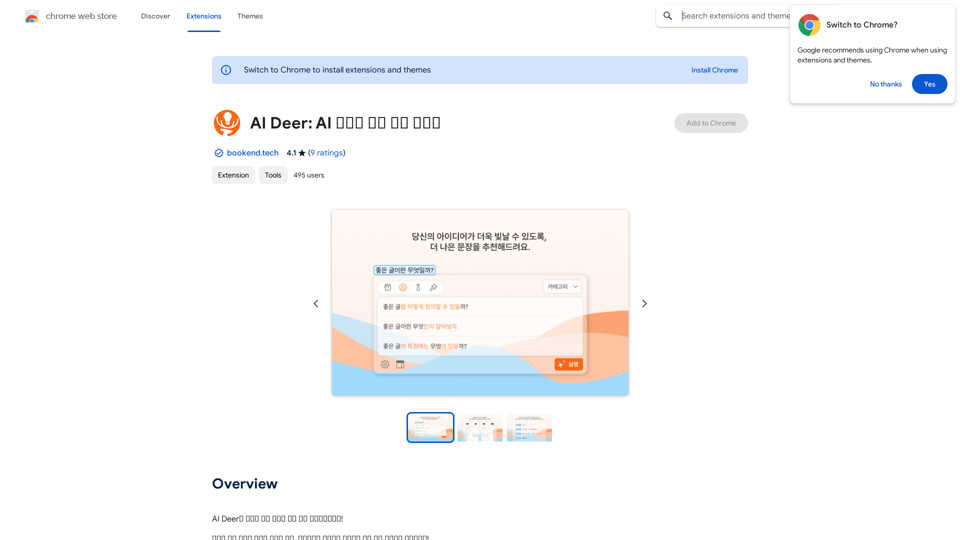
AI Ciervo: Solución de corrección de oraciones en coreano.
AI Ciervo: Solución de corrección de oraciones en coreano.¡AI Deer te guiará con su inspiradora ayuda para crear un excelente texto!
193.90 M
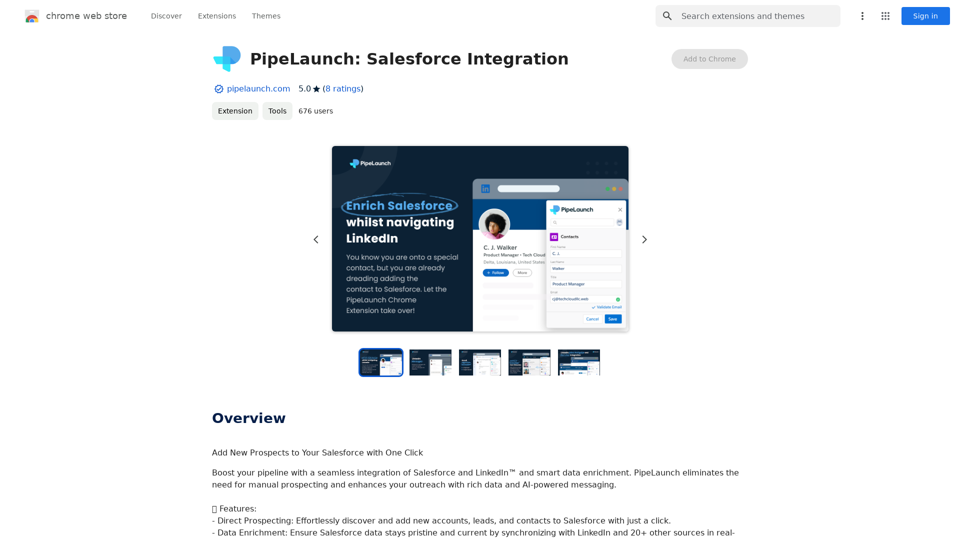
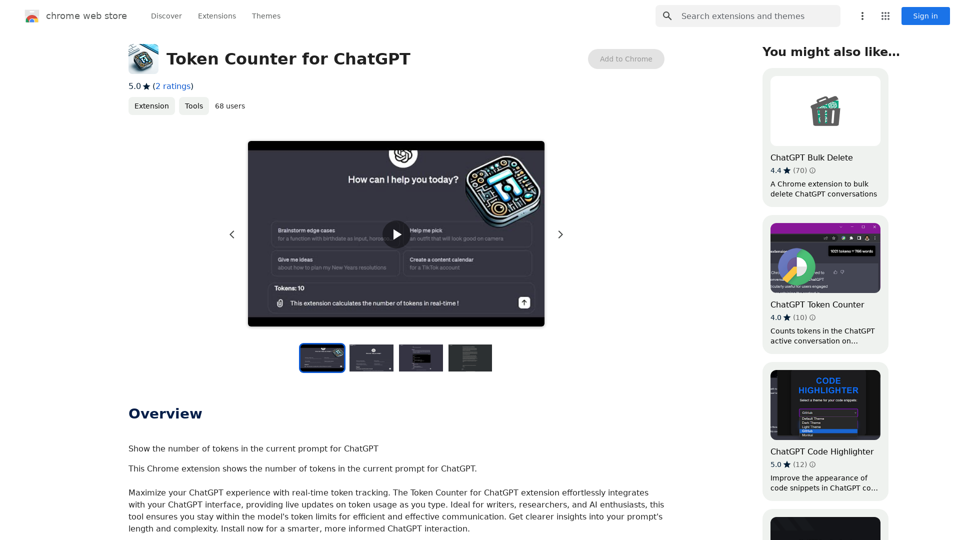
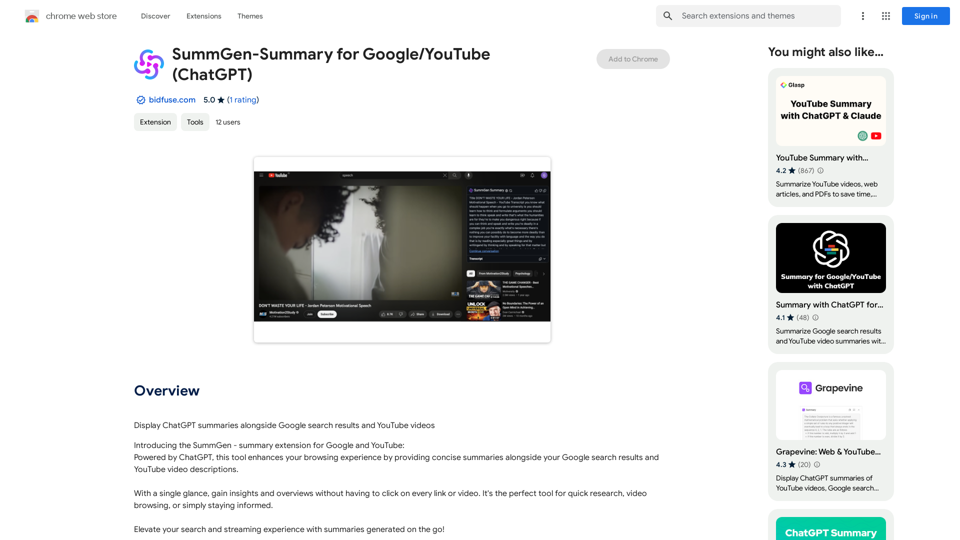
Mostrar resúmenes de ChatGPT junto a los resultados de búsqueda de Google y los videos de YouTube.
193.90 M
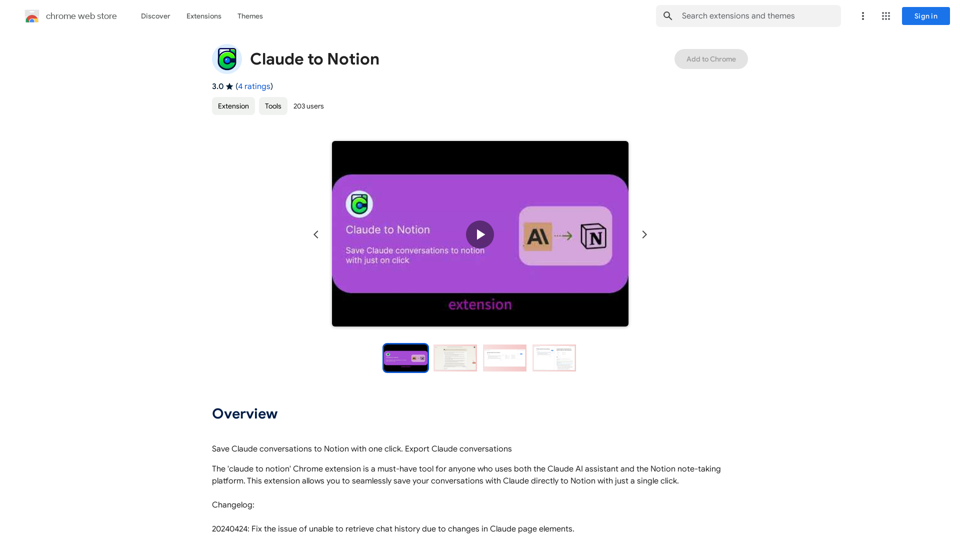
Guardar las conversaciones de Claude en Notion con un solo clic. Exportar conversaciones de Claude
193.90 M

Aprovecha tu próxima entrevista de trabajo y consigue ser contratado más rápido. Simulación de Entrevista de Trabajo con IA.
0
PromptForge para ChatGPT, Gemini, Claude.ai + PromptForge es una herramienta de código abierto que permite a los desarrolladores crear y entrenar modelos de lenguaje personalizados para chatbots y asistentes virtuales. Con PromptForge, puedes crear prompts personalizados para modelos de lenguaje como ChatGPT, Gemini y Claude.ai, lo que te permite controlar mejor la salida del modelo y adaptarla a tus necesidades específicas. Ventajas de utilizar PromptForge * Personalización: Crea prompts personalizados para adaptar el modelo de lenguaje a tus necesidades específicas. * Control: Controla mejor la salida del modelo con prompts personalizados. * Flexibilidad: Utiliza PromptForge con diferentes modelos de lenguaje, como ChatGPT, Gemini y Claude.ai. * Accesibilidad: PromptForge es de código abierto, lo que significa que es gratuito y accesible para todos. Cómo funciona PromptForge 1. Crea un prompt: Escribe un prompt personalizado para el modelo de lenguaje que deseas utilizar. 2. Entrena el modelo: Entrena el modelo de lenguaje con el prompt personalizado. 3. Genera texto: El modelo de lenguaje genera texto basado en el prompt personalizado. Ejemplos de uso de PromptForge * Chatbots: Crea prompts personalizados para chatbots que se adapten a tus necesidades específicas. * Asistentes virtuales: Utiliza PromptForge para crear asistentes virtuales que se comuniquen de manera efectiva con los usuarios. * Generación de contenido: Genera contenido personalizado con PromptForge y modelos de lenguaje como ChatGPT, Gemini y Claude.ai.
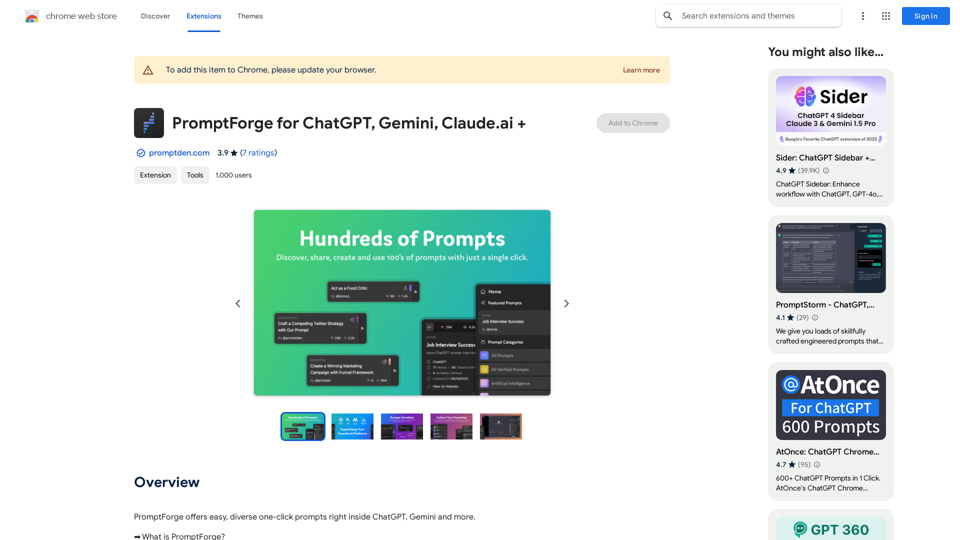
PromptForge para ChatGPT, Gemini, Claude.ai + PromptForge es una herramienta de código abierto que permite a los desarrolladores crear y entrenar modelos de lenguaje personalizados para chatbots y asistentes virtuales. Con PromptForge, puedes crear prompts personalizados para modelos de lenguaje como ChatGPT, Gemini y Claude.ai, lo que te permite controlar mejor la salida del modelo y adaptarla a tus necesidades específicas. Ventajas de utilizar PromptForge * Personalización: Crea prompts personalizados para adaptar el modelo de lenguaje a tus necesidades específicas. * Control: Controla mejor la salida del modelo con prompts personalizados. * Flexibilidad: Utiliza PromptForge con diferentes modelos de lenguaje, como ChatGPT, Gemini y Claude.ai. * Accesibilidad: PromptForge es de código abierto, lo que significa que es gratuito y accesible para todos. Cómo funciona PromptForge 1. Crea un prompt: Escribe un prompt personalizado para el modelo de lenguaje que deseas utilizar. 2. Entrena el modelo: Entrena el modelo de lenguaje con el prompt personalizado. 3. Genera texto: El modelo de lenguaje genera texto basado en el prompt personalizado. Ejemplos de uso de PromptForge * Chatbots: Crea prompts personalizados para chatbots que se adapten a tus necesidades específicas. * Asistentes virtuales: Utiliza PromptForge para crear asistentes virtuales que se comuniquen de manera efectiva con los usuarios. * Generación de contenido: Genera contenido personalizado con PromptForge y modelos de lenguaje como ChatGPT, Gemini y Claude.ai.PromptForge ofrece prompts fáciles y diversos con un solo clic directamente dentro de ChatGPT, Gemini y más.
193.90 M