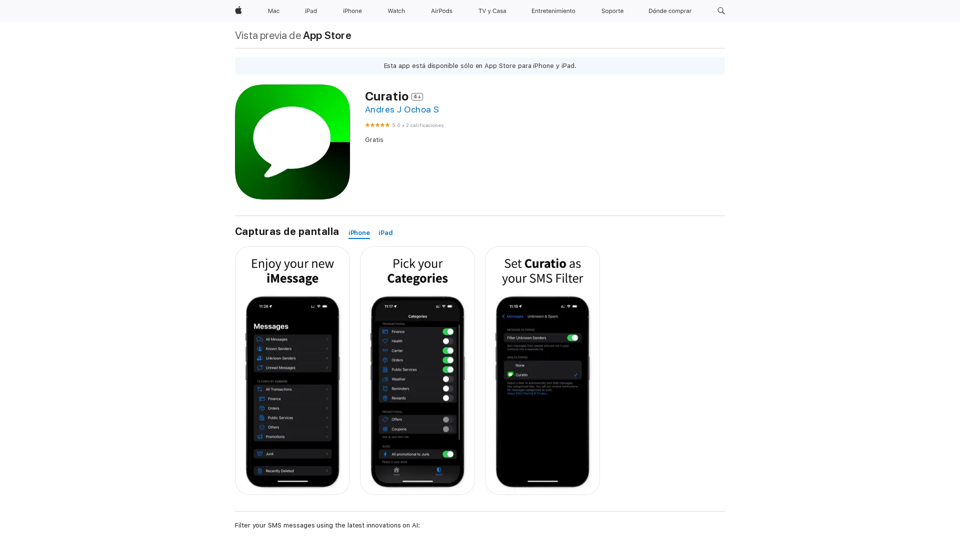
Curatio is an AI-powered SMS filter app designed to categorize and manage text messages efficiently. It uses advanced AI technology to automatically sort incoming SMS into categories like Transactional, Promotional, or Spam, helping users maintain a clean and organized inbox. Curatio is free, available on iOS devices, and supports both English and Spanish languages.
Curatio on the App Store
Filter your SMS messages using the latest innovations on AI:
- Curatio categorizes every new SMS message without any previous instructions.
- Curatio filters every unwanted SMS, such as spam or promotional messages, to keep your inbox clean and organized.
Introduction
Feature
AI-Powered SMS Categorization
Curatio employs artificial intelligence to automatically categorize every new SMS message without requiring prior instructions. This feature ensures that your inbox remains organized effortlessly.
Smart Filtering System
The app filters incoming messages into three main categories:
- Transactional
- Promotional
- Spam
Detailed Transactional Subcategories
Transactional messages are further categorized into:
- Carrier-related messages
- Order notifications
- Health and Public Services communications
User-Friendly Interface
Curatio offers an intuitive interface that makes it easy to:
- Filter out unwanted messages
- Identify and prioritize important communications
- Maintain a clutter-free inbox
Multi-Language Support
The app is available in both English and Spanish, catering to a wider user base.
Free Availability
Curatio is completely free to download and use from the App Store.
iOS Compatibility
The app is designed for iPhone and iPad devices running iOS 17.2 or later.
FAQ
What are the system requirements for Curatio?
Curatio requires iOS 17.2 or later and is compatible with iPhone and iPad devices.
Is Curatio suitable for all ages?
Yes, Curatio is rated for users aged 4 and above.
What similar apps are available?
Similar apps to Curatio include:
- SMS Spam Blocker
- Shield - AI Powered SMS Filter
- Spam Text Blocker - TB
- Text Blocker: Bloquea spam sms
- SMS Spam Filter
- Bloquear Mensajes - TextShield
How can users get support for Curatio?
Support for Curatio can be obtained through the App Store or by contacting the developer, Andres J Ochoa S.
What is the copyright information for Curatio?
Curatio is copyrighted © Andrés Ochoa, 2024.
Related Websites
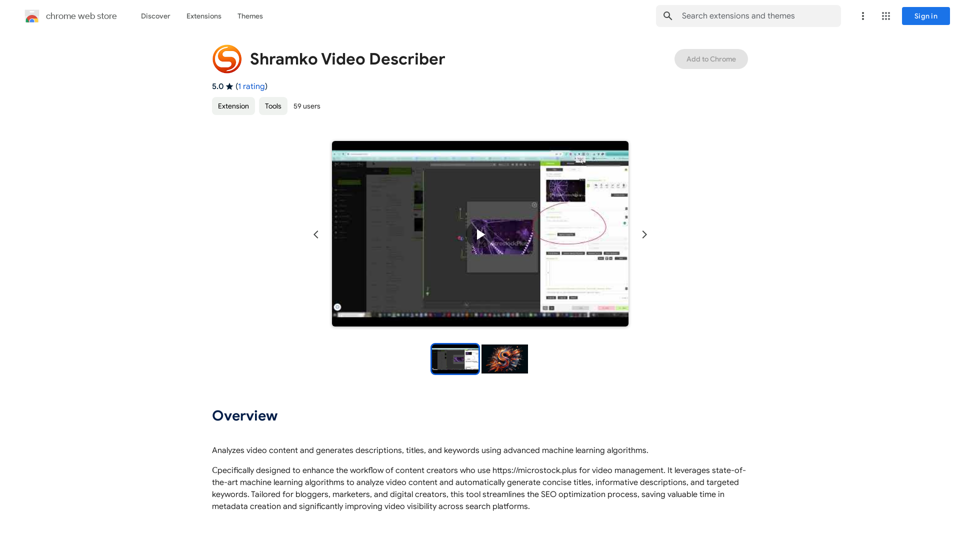
Analyzes video content and generates descriptions, titles, and keywords using advanced machine learning algorithms.
193.90 M
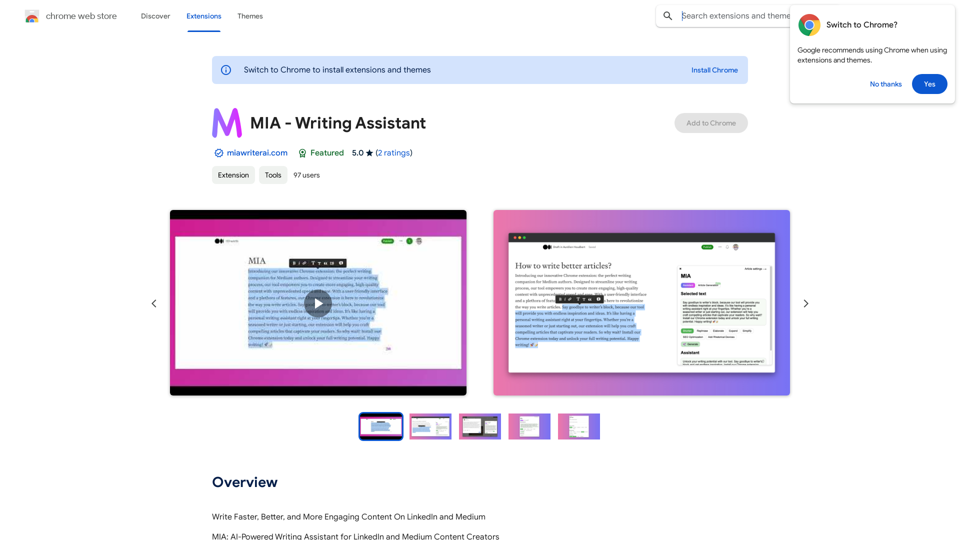
Write Faster, Better, and More Engaging Content On LinkedIn and Medium Tired of staring at a blank page? We've all been there. But what if you could write compelling content for LinkedIn and Medium with ease? Here's how: * Find Your Niche: What are you passionate about? What do you know a lot about? Focus your writing on topics that genuinely interest you. * Craft a Killer Headline: Your headline is your first impression. Make it catchy, clear, and benefit-driven. * Structure for Success: Use headings, subheadings, and bullet points to break up your text and make it easy to read. * Tell a Story: People connect with stories. Weave narratives into your content to make it more engaging. * Keep it Concise: Get to the point quickly. People have short attention spans, so respect their time. * Use Visuals: Images, videos, and infographics can break up text and make your content more visually appealing. * Proofread Carefully: Typos and grammatical errors can damage your credibility. Always proofread your work before publishing. * Promote Your Content: Share your articles on social media and engage with your audience in the comments. By following these tips, you can write faster, better, and more engaging content for LinkedIn and Medium.
193.90 M
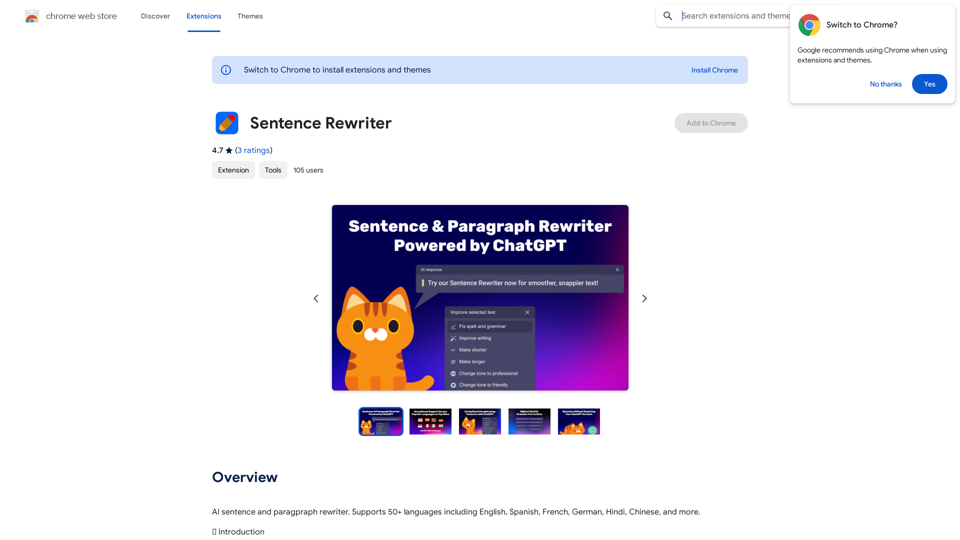
AI sentence and paragraph rewriter. Supports 50+ languages including English, Spanish, French, German, Hindi, Chinese, and more.
193.90 M
Chat with any PDFs, get an AI-generated summary, table interpretation, data analysis, formula explanation, and any details within seconds.
193.90 M