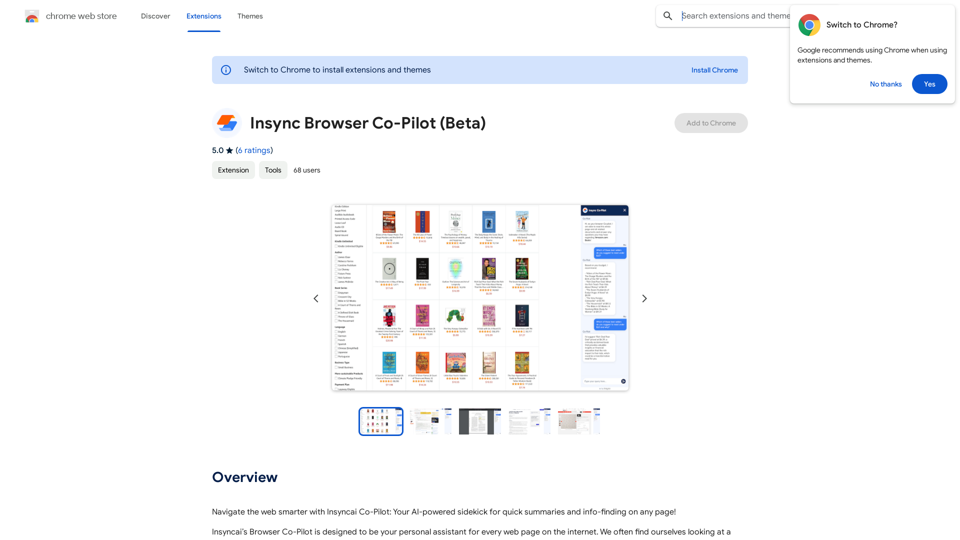
Gluetrail is a powerful Chrome extension designed to streamline the creation of how-to articles and videos. By simply recording your screen, Gluetrail leverages AI technology to instantly generate multiple pieces of content, including step-by-step guides, blog posts, and high-quality videos. This tool is particularly useful for boosting user adoption and generating leads, making it an invaluable asset for businesses and content creators alike.
Glue Trail
Turn Screen Recordings into How-To Content in Seconds!
Tired of spending hours editing videos for tutorials?
Introducing [Your Product Name]!
Our revolutionary tool lets you instantly transform your screen recordings into professional-looking how-to articles and videos.
Here's how it works:
1. Record your screen: Capture your steps clearly and concisely.
2. Upload to [Your Product Name]: Our AI does the heavy lifting.
3. Get your content: Choose from automatically generated articles or polished videos, ready to share!
[Your Product Name] is perfect for:
* Educators: Create engaging online lessons.
* Businesses: Train employees efficiently.
* YouTubers: Boost your content creation speed.
Stop wasting time editing. Start creating with [Your Product Name]!
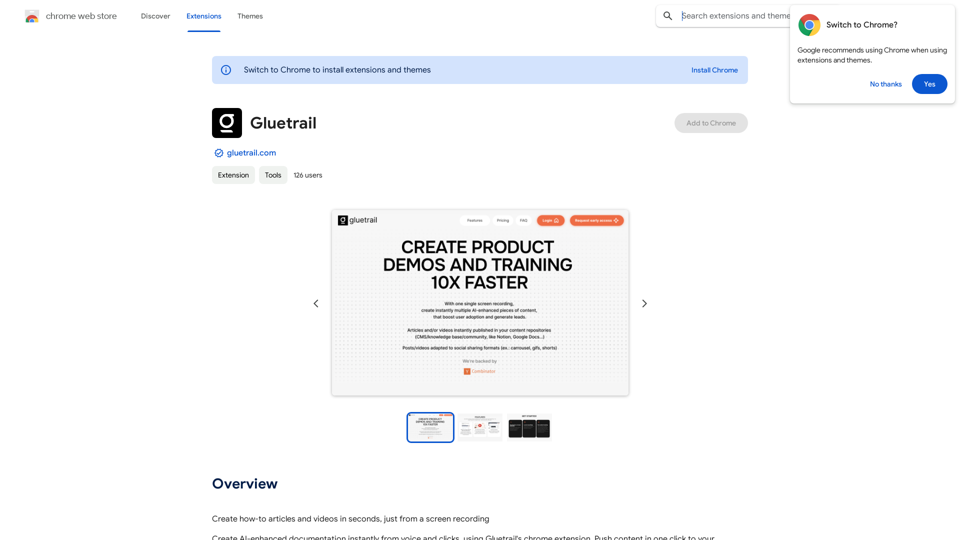
Introduction
Feature
Chrome Screen & Audio Recorder
- Record browser screens and clicks (single or multi-page navigation)
- Optional audio and camera recording
Instant Content Creation
- AI-generated step-by-step guides with screenshots
- High-quality video creation with AI-powered editing features
Integrations
- Publish content to third-party platforms
- Export in various formats
- Integration options available at www.gluetrail.com
Multi-Language Support
- AI-powered content translation
Personalization and Bulk Creation
- Create multiple personalized videos from a single template
- Utilize transcript to AI voice feature
User-Friendly Setup
- Simple Chrome extension download
- Account creation on gluetrail.com required for full functionality
FAQ
How do I get started with Gluetrail?
To begin using Gluetrail:
- Download the Chrome extension
- Create an account on gluetrail.com
- Start recording your screen and audio
- Generate AI-enhanced content instantly
What types of content can I create with Gluetrail?
Gluetrail allows you to create:
- Step-by-step guides with screenshots
- Blog posts and short articles
- High-quality videos with various effects
Are there any pricing details available for Gluetrail?
Gluetrail offers in-app purchases, but specific pricing is not publicly disclosed. For detailed information on pricing and plans, it's recommended to contact the developer directly.
Can I publish my Gluetrail-created content on other platforms?
Yes, Gluetrail provides integration features that allow you to publish your content to third-party platforms. You can also export your content in appropriate formats or download it directly.
Related Websites
ChatBot AI - ChatGPT & Claude & Bard & BingOverviewChatBot AI
ChatBot AI - ChatGPT & Claude & Bard & BingOverviewChatBot AIChatBot is a copilot that uses ChatGPT, Bing, Claude, Bard, and more to answer questions like translations, emails, Q&As, and more.
193.90 M
Hottalks.ai - Enjoy the Ultimate AI Girlfriend Experience
Hottalks.ai - Enjoy the Ultimate AI Girlfriend ExperienceYour dream companion awaits! Uncensored AI chat experience with NSFW AI images. Experience adaptive AI-driven role-plays today.
40.45 K
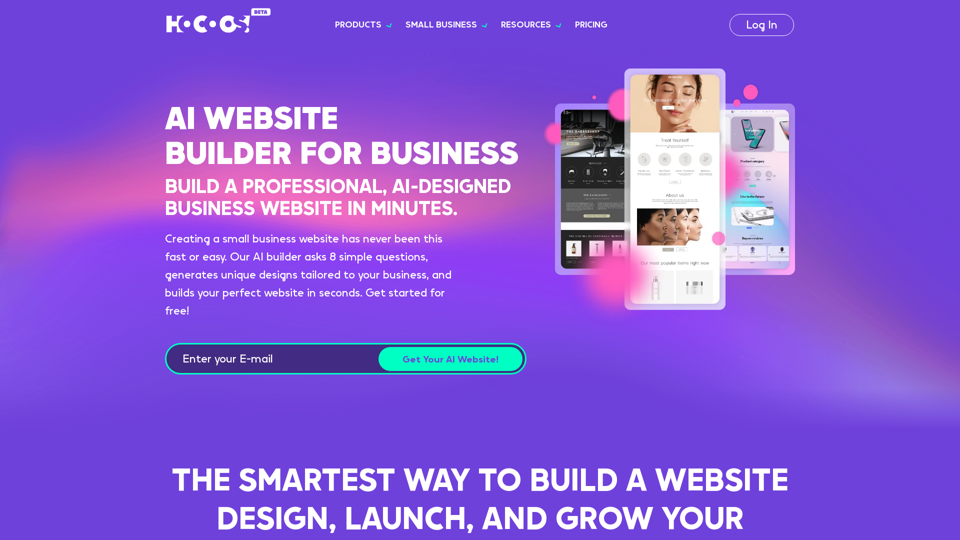
Hocoos AI Website Builder - Create Your Website in 5 Minutes
Hocoos AI Website Builder - Create Your Website in 5 MinutesCreate professional websites in seconds with Hocoos AI website builder. Get all the sales and marketing tools to start & grow your online business now.
111.35 K
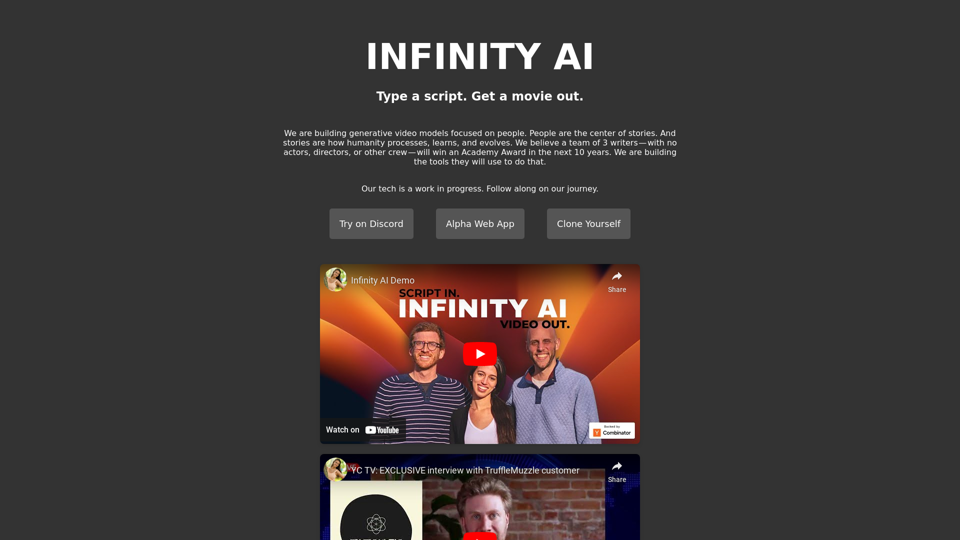
Infinity AI is a revolutionary platform that enables the creation of generative video models focused on people.
158
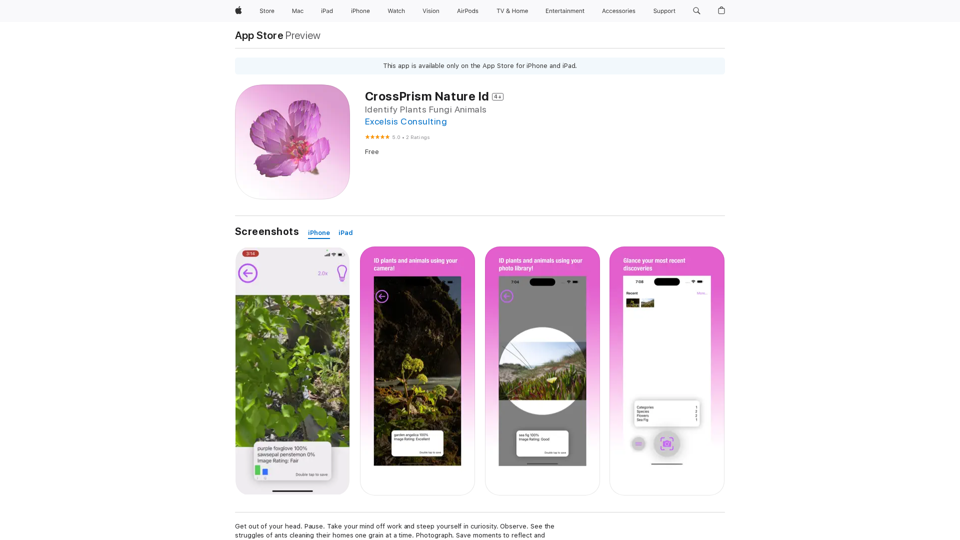
Get out of your head. Pause. Take your mind off work and steep yourself in curiosity. Observe. See the struggles of ants cleaning their homes one grain at a time, and the way birds build their nests with twigs and threads.
124.77 M
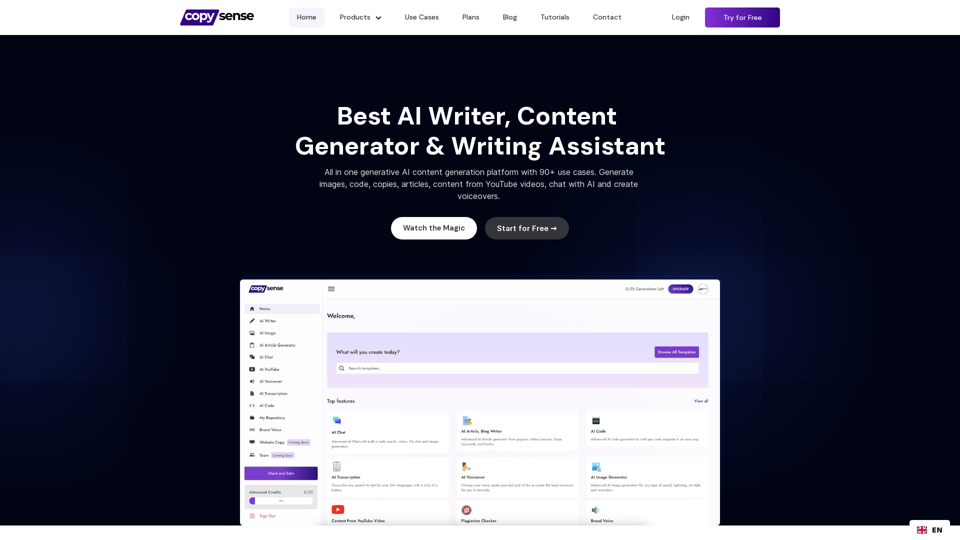
Copysense AI Copysense AI is an innovative artificial intelligence technology designed to detect and prevent copyright infringement.
Copysense AI Copysense AI is an innovative artificial intelligence technology designed to detect and prevent copyright infringement.Copysense AI is the Generative AI platform for crafting factually accurate, on-brand content with real-time data, generating images, voiceovers, and content from YouTube and URLs.
0
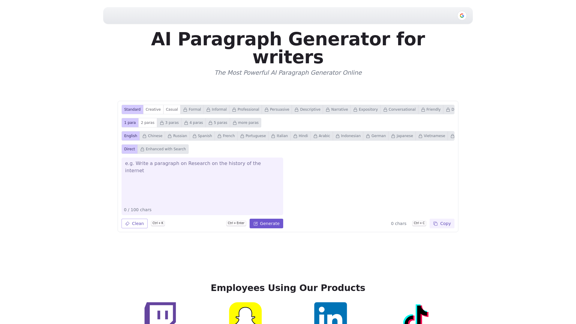
AI Paragraph Generator is a powerful tool that transforms your ideas into well-structured and engaging paragraphs. Artificial Intelligence Paragraph Generator meets all your content needs, from blogs to academic papers, with our tool ensuring originality, relevance and professionalism in every use case.
0