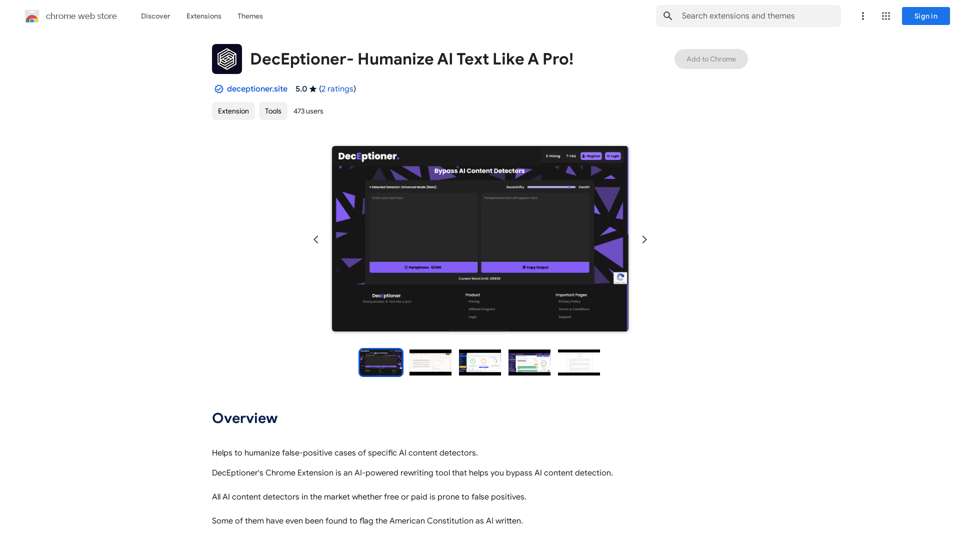
DecEptioner is a Chrome extension designed to humanize AI-generated text and bypass AI content detection. It addresses the issue of false positives in AI content detectors by rewriting text to appear more human-like. This free tool is particularly useful for writers and content creators who want to ensure their AI-assisted work passes through content detection systems.
DecEptioner - Humanize AI Text Like A Pro!
Helps to make false-positive cases of specific AI content detectors seem less like mistakes.
Introduction
Feature
AI-Powered Text Humanization
DecEptioner uses advanced AI technology to rewrite text, making it more human-like and less likely to be flagged as AI-generated content.
Bypass AI Content Detectors
The extension effectively evades various AI content detection systems, including:
- Turnitin
- Originality.ai
- GPTZero.me
- ZeroGPT.com
- And more
User-Friendly Chrome Extension
DecEptioner is easily accessible as a Chrome extension, allowing users to quickly rewrite their text without leaving their browser.
Free to Use
The extension is completely free, with no subscription or payment required, making it accessible to all users.
FAQ
Is DecEptioner a plagiarism detector?
No, DecEptioner is not a plagiarism detector. It's specifically designed to humanize AI-generated text and bypass AI content detection systems.
Can I use DecEptioner on text I've already written?
Yes, you can use DecEptioner to rewrite any text, including content you've already written, to make it appear more human-like.
How do I use DecEptioner?
To use DecEptioner, simply install the Chrome extension and start rewriting your text. The AI will automatically process your content to make it more human-like and less detectable by AI content detection systems.
Related Websites
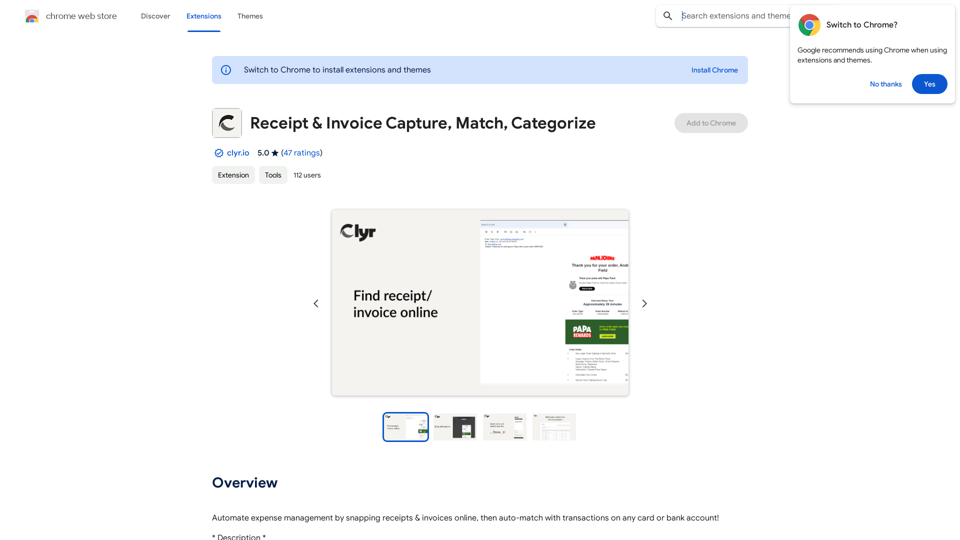
Automatically manage your expenses by taking pictures of your receipts and invoices online. They will then be automatically matched with transactions on any of your credit cards or bank accounts!
193.90 M
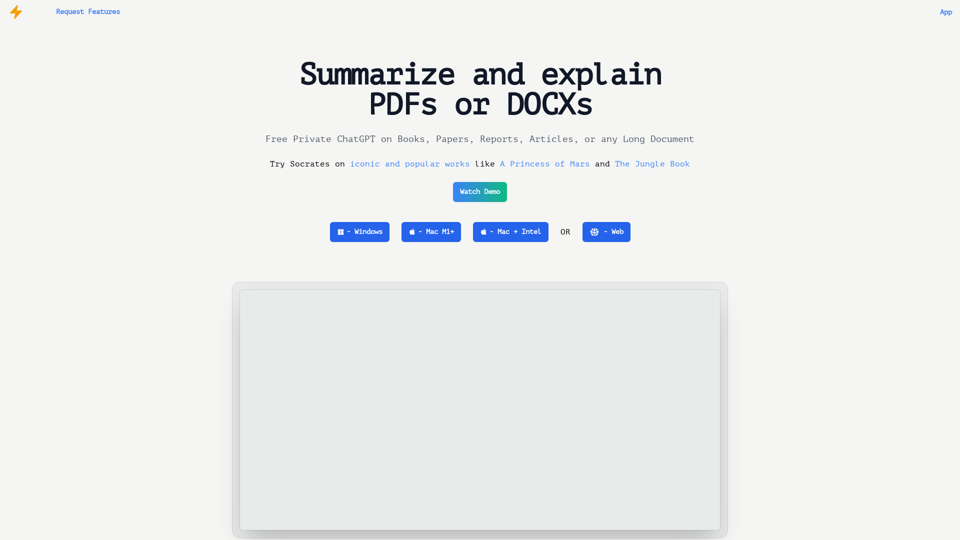
Get free AI-powered answers with Socrates. Socrates uses secure, local AI processing to analyze documents. It's ideal for explaining concepts and extracting answers from books, papers, reports, articles, manuals, or contracts.
0
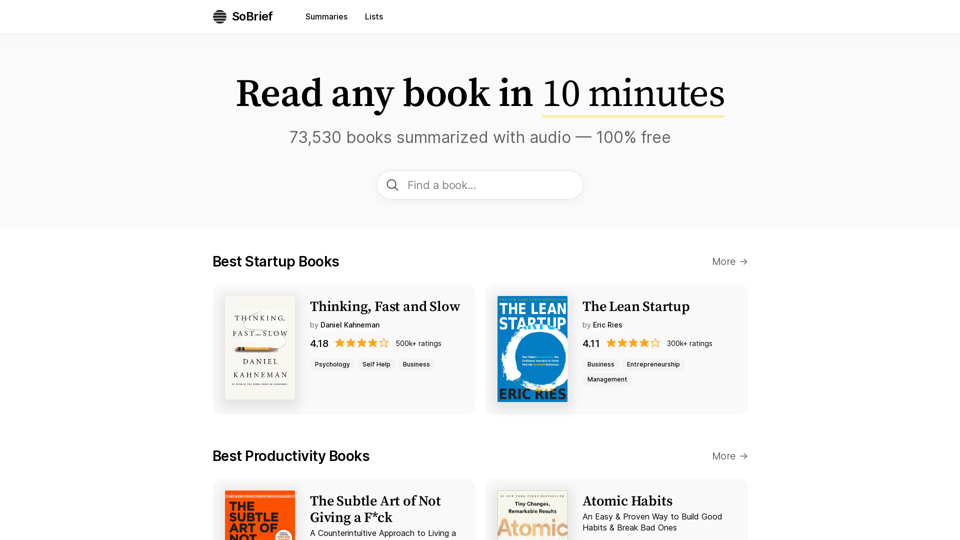
Explore 73,530 free non-fiction book summaries with audio. 12 key takeaways in 10 minutes each. 10x more books than any other site. Every imaginable topic.
1.14 M
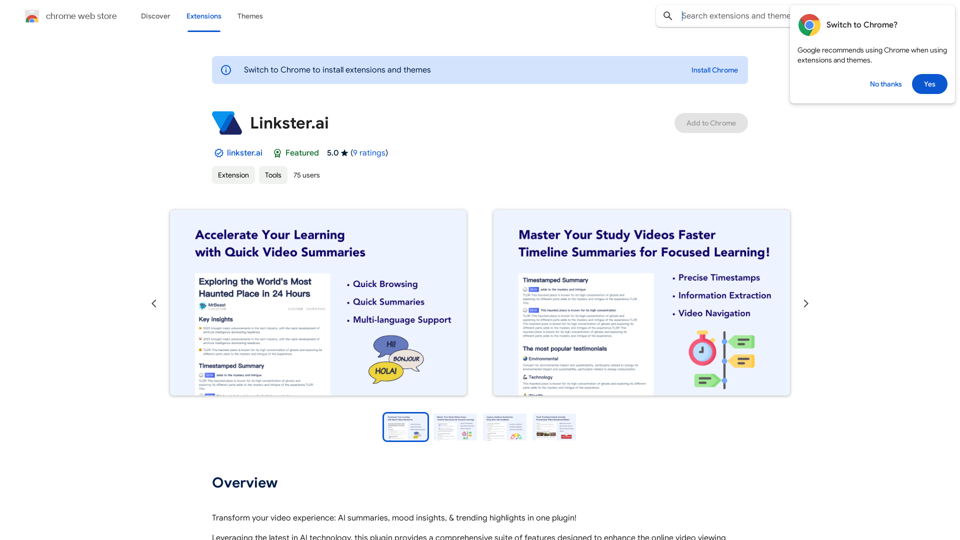
Transform your video experience: AI summaries, mood insights, & trending highlights in one plugin!
193.90 M
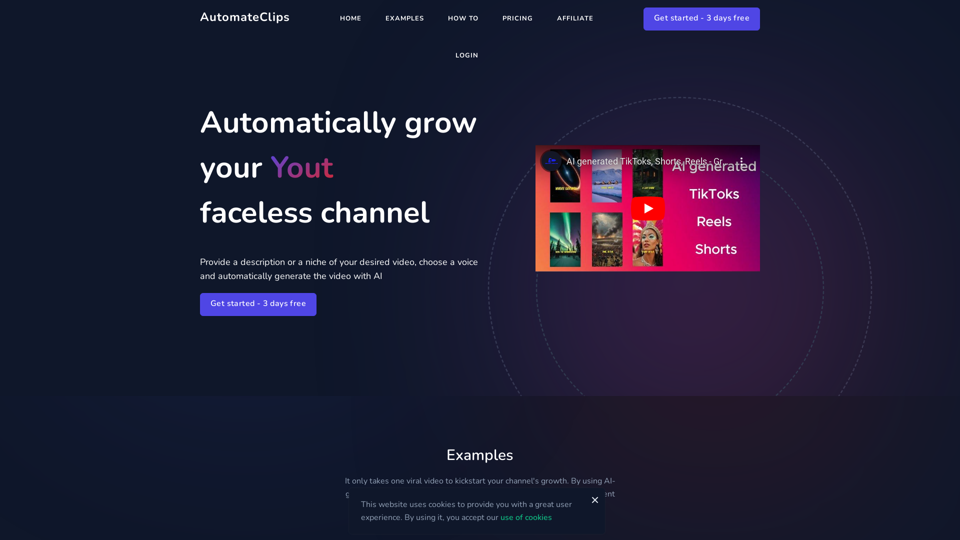
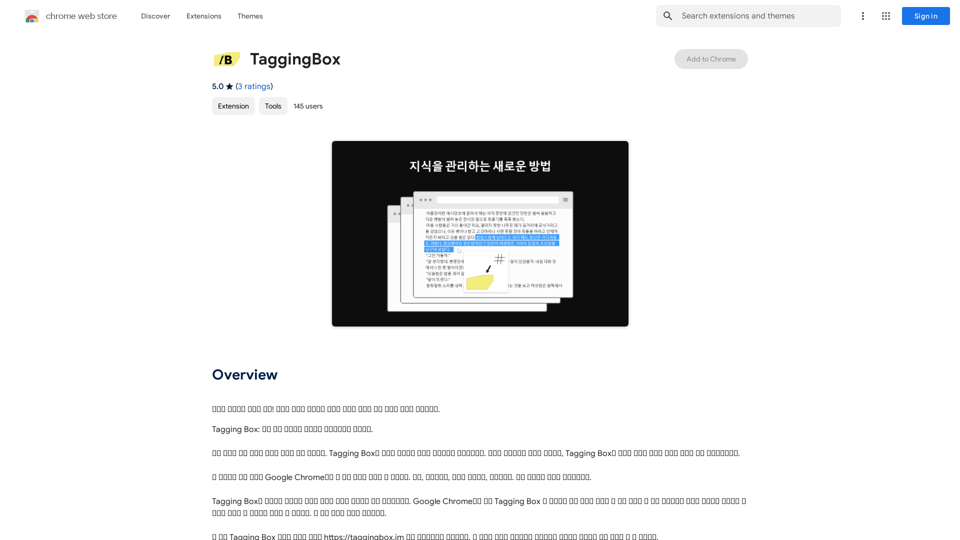
A new way to manage your knowledge! Just like sticking a sticker on an important note, we recommend the best tags for your information.
193.90 M
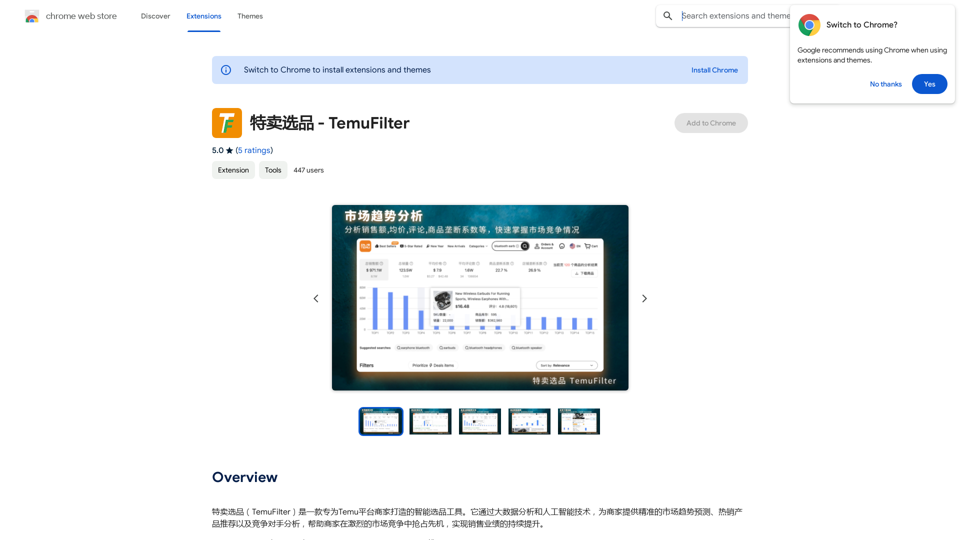
TemuFilter is an intelligent product selection tool designed specifically for Temu platform merchants. It uses big data analysis and artificial intelligence technology to provide merchants with accurate market trend predictions, popular product recommendations, and competitor analysis, helping merchants seize the opportunity in the fierce market competition and achieve continuous improvement in sales performance.
193.90 M