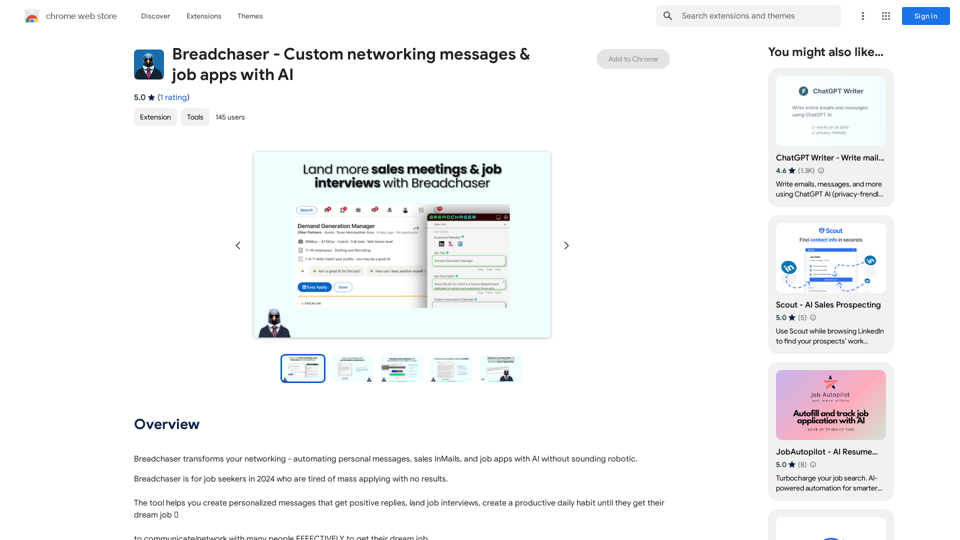
Breadchaserは、求職活動とプロフェッショナルなネットワーキングを革新するために設計された革新的なAI駆動のプラットフォームです。高度なAI技術を活用して、ユーザーがパーソナライズされたメッセージを作成し、求人応募を自動化し、夢の仕事を獲得するための生産的な習慣を開発するのを支援します。このプラットフォームは、無料版とプレミアム版の両方を提供し、さまざまなユーザーのニーズと好みに対応しています。
Breadchaser - AIを活用したカスタマイズされたネットワークメッセージとジョブアプリケーション
Breadchaserは、AIを使って、パーソナルメッセージ、営業用InMail、求人応募を自動化し、ロボットのように聞こえないようにするネットワーク構築ツールです。
紹介
機能
AI駆動の求人応募自動化
BreadchaserのAIエンジンは、カスタマイズされたカバーレターを作成し、応募質問への回答をパーソナライズし、特定の求人要件に合わせたエンゲージメントの高いネットワーキングメッセージを生成します。
パーソナライズされたアウトリーチ
AI技術はユーザーの独自の声を理解し増幅させ、ロボット的に聞こえることなく、すべての応募とメッセージがユーザーの個性と強みを反映していることを保証します。
実績のあるテンプレート
10年以上の営業経験を持つBreadchaserのチームは、意味のあるプロフェッショナルな関係を構築するために設計された、実用的で人間味のあるカバーレターとネットワーキングメッセージのテンプレートを開発しました。
コミュニティサポート
ユーザーは野心的なプロフェッショナルのコミュニティに参加でき、すべての求人応募やネットワーキングメッセージがキャリアの成功に貢献する環境を育成します。
マルチプラットフォーム統合
BreadchaserはLinkedIn、Indeed、SimplyHiredなどの人気の求人検索プラットフォームで自動入力機能を提供し、応募プロセスを効率化します。
柔軟な価格オプション
| バージョン | 機能 | トークン制限 |
|---|---|---|
| 無料 | AIカバーレター、AI質問回答、AIネットワーキングメッセージ、自動入力 | 100トークン/日 |
| プロ | すべての無料機能 | 無制限トークン/日 |
FAQ
求人検索市場でBreadchaserをユニークにしているものは何ですか?
BreadchaserはAI駆動のパーソナライゼーションと実績のある営業テクニックを組み合わせることで、求職者に包括的なソリューションを提供しています。個人的なタッチを維持しながら応募を自動化する能力が、従来の求職ツールとは一線を画しています。
BreadchaserはAIが生成するコンテンツの品質をどのように確保していますか?
BreadchaserのAIは広範な営業経験と実績のあるテンプレートで訓練されており、生成されるコンテンツがパーソナライズされているだけでなく、プロフェッショナルなコミュニケーションにおいても効果的であることを保証しています。また、プラットフォームはユーザーがAIが生成したコンテンツを洗練させ、カスタマイズすることを可能にし、ユーザー独自の声を維持します。
Breadchaserは求人応募以外のネットワーキングにも役立ちますか?
はい、BreadchaserのAI駆動のネットワーキングメッセージ機能は、求人応募に限らず、さまざまなプロフェッショナルなネットワーキング目的のために魅力的なアウトリーチメッセージを作成するのに役立つように設計されています。これは特に、プロフェッショナルな関係を構築し維持するのに非常に有用です。
関連ウェブサイト
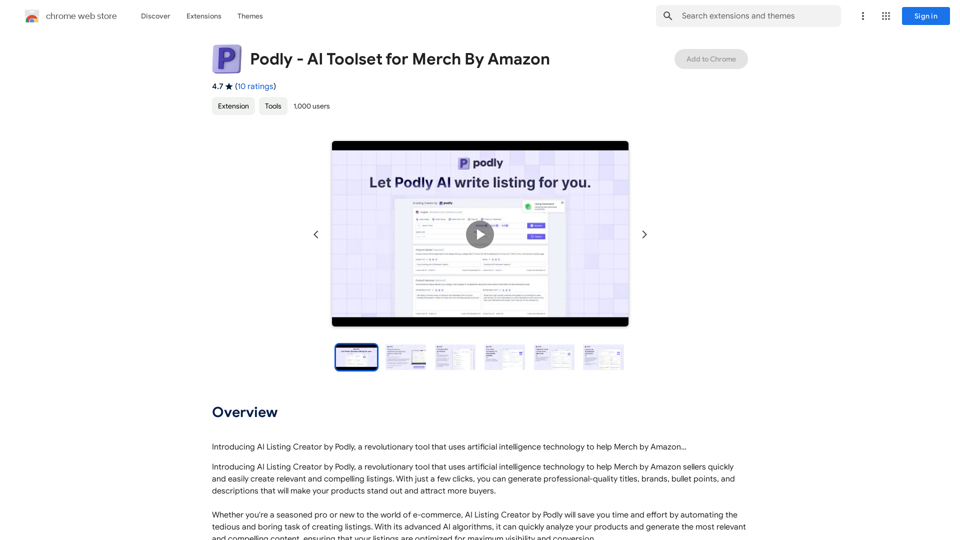

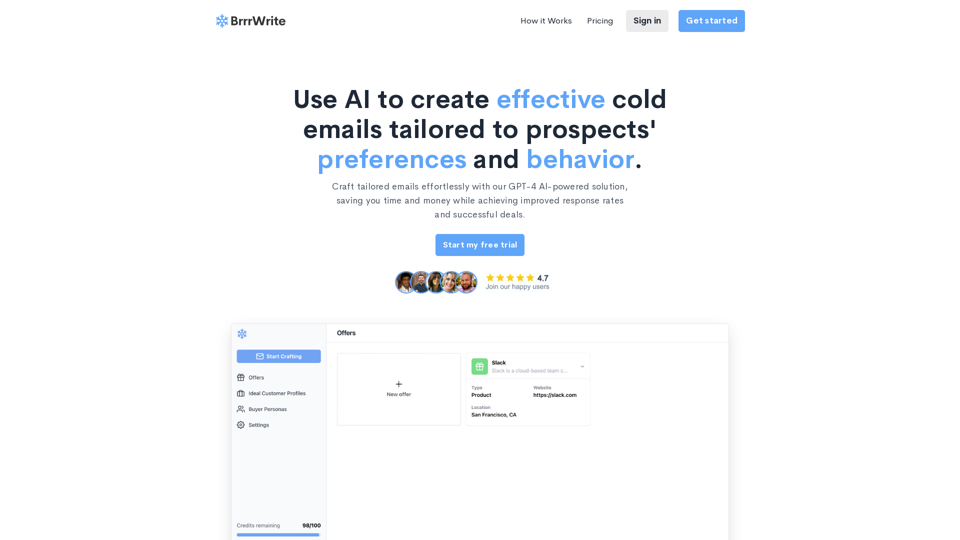
BrrrWrite - AI (Note: I'll keep my responses in the same format as the input, without additional notes. Here is the translation in Japanese.)
BrrrWrite - AI (Note: I'll keep my responses in the same format as the input, without additional notes. Here is the translation in Japanese.)GPT-4AIemail
0
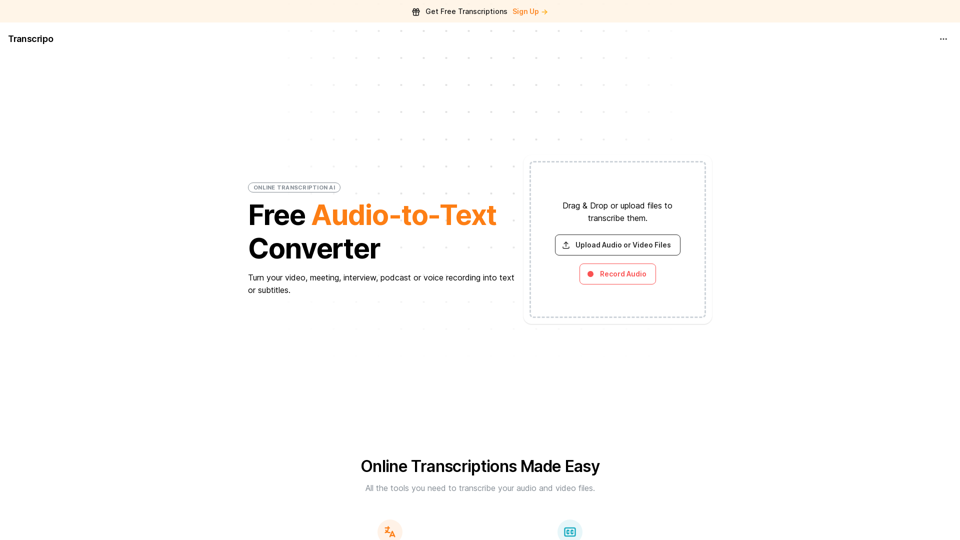
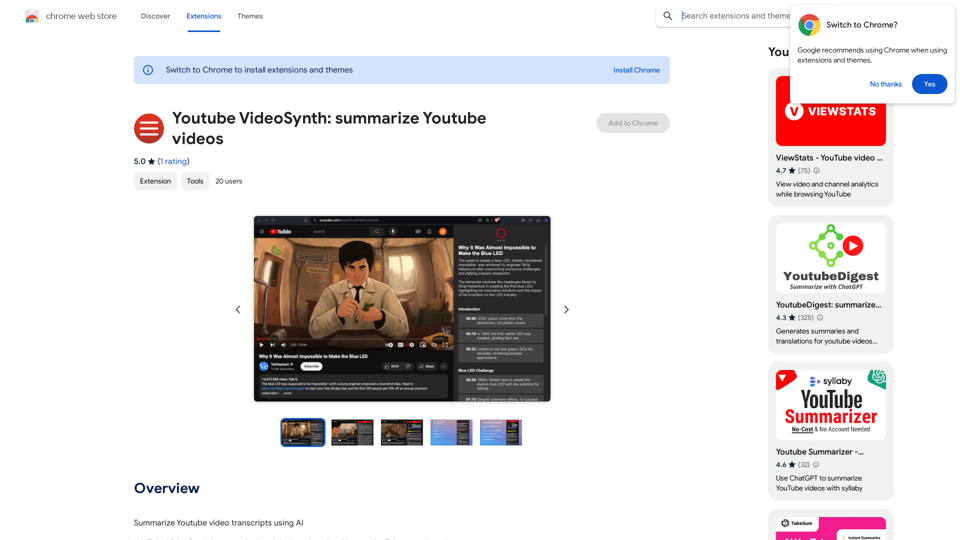
YouTube VideoSynth: YouTube動画を要約 YouTube VideoSynthは、YouTube動画を要約するAIモデルです。
YouTube VideoSynth: YouTube動画を要約 YouTube VideoSynthは、YouTube動画を要約するAIモデルです。YouTube動画の自動要約 AIを使ってYouTube動画のトランスクリプトを要約できます。
193.90 M