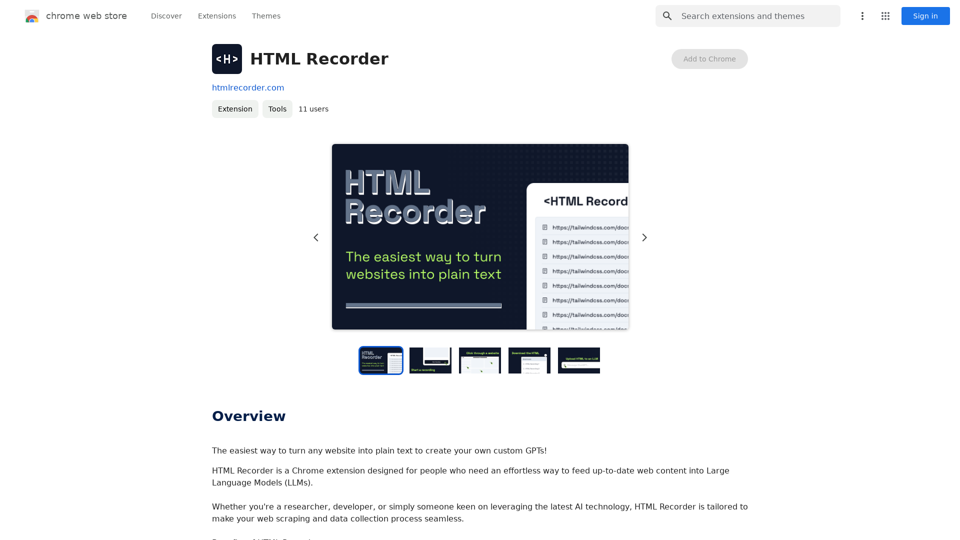
OpenGPTS is a comprehensive GPTs manager offering AI automation, painting, multi-agent capabilities, ChatGPT, and Midjourney features. It aims to enhance work efficiency, quality time with family, and personal growth opportunities by providing quick access to AI technology. The tool is designed to be user-friendly and accessible, with both free and subscription-based options available.
OpenGPTs
OpenGPTs - Powerful GPTs Manager | Powerful GPT Manager
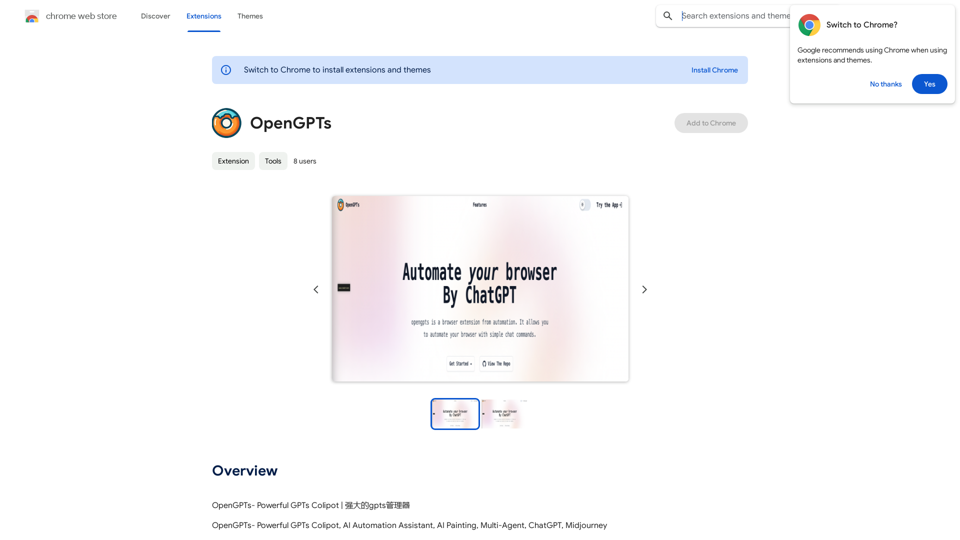
Introduction
Feature
SidePanel
An AI-assisted chat panel that provides insights and answers while browsing, enhancing the user's ability to access information quickly.
Instant Screenshot Analysis
Allows users to capture any screen content for immediate AI analysis, providing quick insights and interpretations.
Text Selection Summarization
Enables users to select any text for an AI-powered summary, improving reading efficiency and comprehension.
Multi-Window Conversations
Facilitates simultaneous dialogues with multiple GPTs, offering diverse perspectives on a single question.
Side-by-Side Operation
Allows access to ChatGPT from any tab without switching, thanks to the sidebar feature, simplifying multitasking.
Internet-Enhanced GPT
Combines GPT with internet search capabilities to reduce hallucinations and enhance real-world relevance of AI responses.
Flexible Pricing Options
OpenGPTS offers both free usage and an affordable subscription plan for extended access and additional benefits.
FAQ
What is OpenGPTS?
OpenGPTS is a powerful GPTs manager that provides AI automation assistant, AI painting, multi-agent, ChatGPT, and Midjourney capabilities.
What are the key features of OpenGPTS?
OpenGPTS offers a range of features, including:
- SidePanel for AI-assisted chat
- Instant Screenshot Analysis
- Text Selection Summarization
- Multi-Window Conversations
- Side-by-Side Operation
- Internet-Enhanced GPT
How can I use OpenGPTS?
Every user can utilize OpenGPTS for free, with the option to subscribe for additional benefits and extended access beyond the free usage limits.
Is OpenGPTS free to use?
Yes, OpenGPTS offers a free version. Users also have the option to subscribe for additional benefits and extended access beyond the free usage limits.
Related Websites
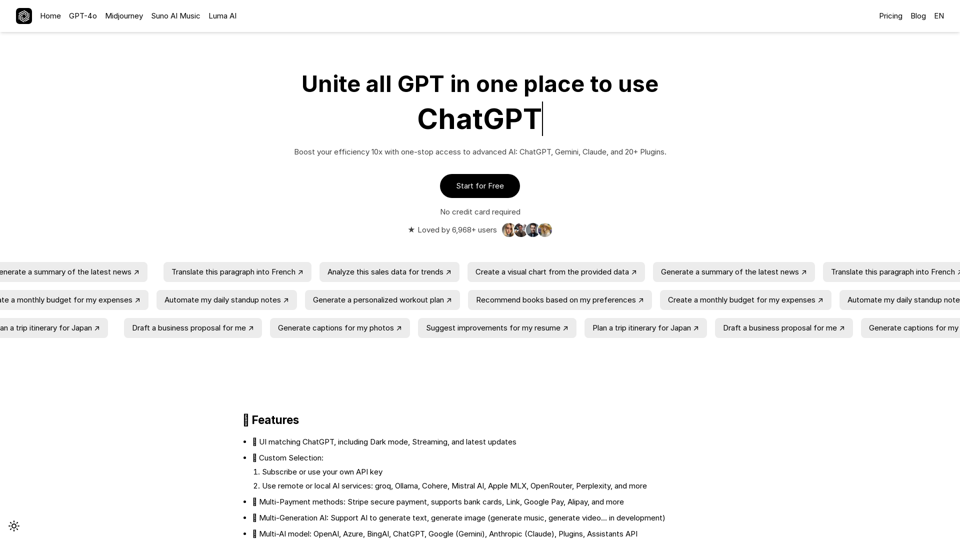
UniGPT UniGPT is a type of artificial intelligence (AI) model that combines the capabilities of both Unified and Generative models.
UniGPT UniGPT is a type of artificial intelligence (AI) model that combines the capabilities of both Unified and Generative models.UniGPT is a platform that unites all GPTs in one place, providing access to advanced AI technologies
0
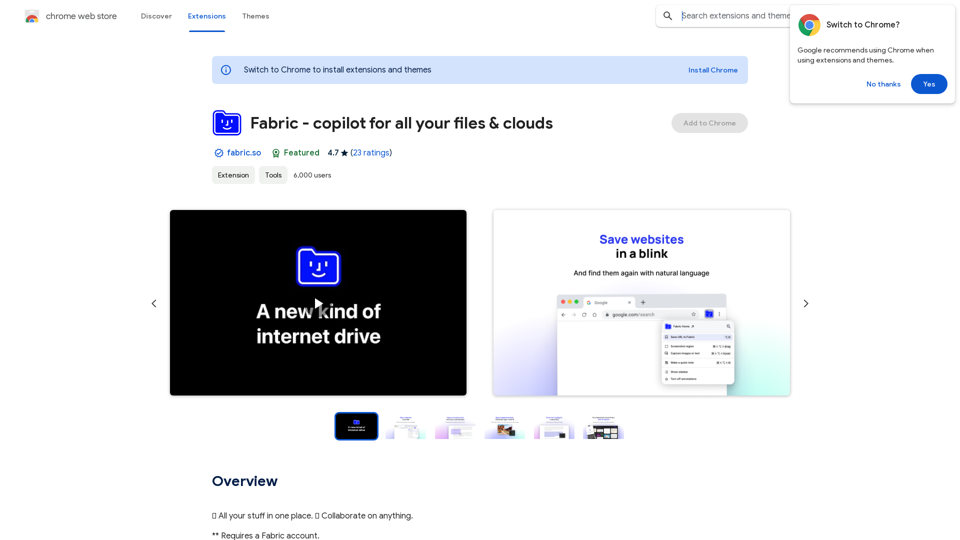
Fabric - Your assistant for all your files and cloud storage.
Fabric - Your assistant for all your files and cloud storage.🍱 All your things in one place. 👋 Work together on anything.
193.90 M
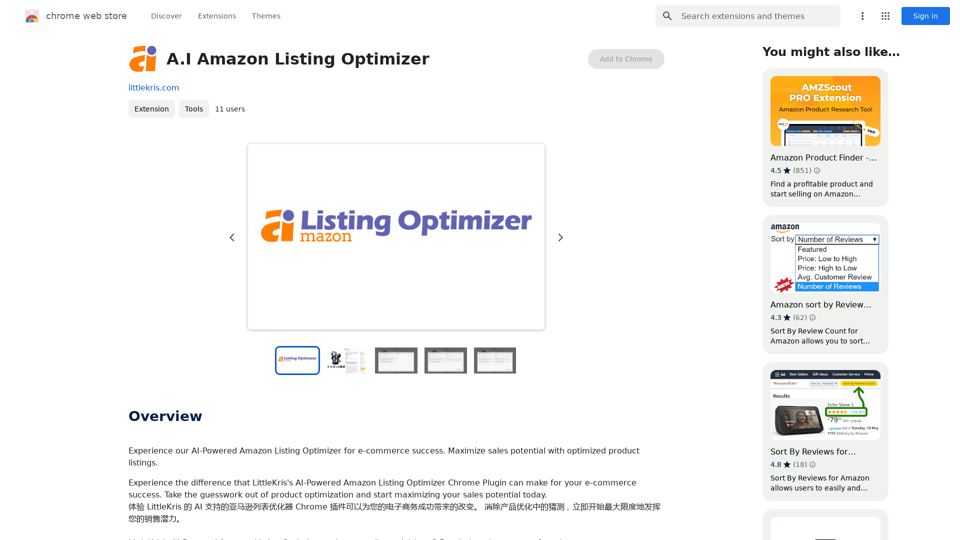
Experience our AI-Powered Amazon Listing Optimizer for e-commerce success. Maximize sales potential with optimized product listings.
193.90 M
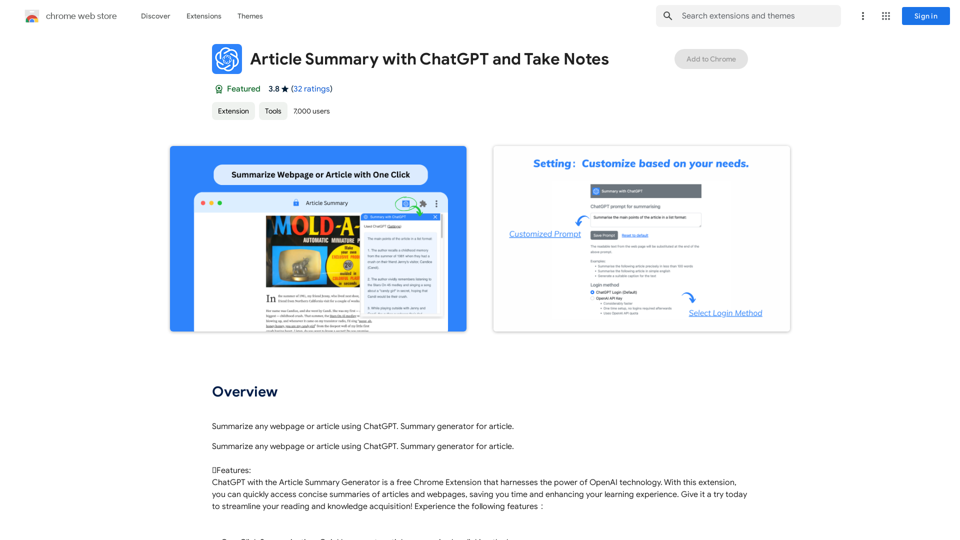
Article Summary with ChatGPT and Take Notes This is a guide on how to use ChatGPT to summarize articles and take notes effectively. Step 1: Provide ChatGPT with the Article Copy and paste the full text of the article into the ChatGPT interface. Step 2: Craft Your Prompt Tell ChatGPT what you want it to do. Here are some examples: * Summarize: "Please summarize this article in 200 words." * Key Points: "What are the main points of this article?" * Bullet Points: "Summarize the key findings of this article in bullet points." * Notes: "Take notes on this article, focusing on the author's arguments and supporting evidence." Step 3: Review and Refine ChatGPT will generate a summary, key points, bullet points, or notes based on your prompt. * Read carefully: Make sure the output accurately reflects the article's content. * Edit as needed: You can ask ChatGPT to rephrase sections or provide more detail. * Add your own insights: Don't just copy ChatGPT's output. Use it as a starting point and add your own thoughts, questions, and connections. Tips for Effective Use: * Be specific: The more specific your prompt, the better the output will be. * Experiment with different prompts: Try various phrasing to see what works best. * Use ChatGPT as a tool: It's a powerful aid, but it's not a replacement for critical reading and thinking.
Article Summary with ChatGPT and Take Notes This is a guide on how to use ChatGPT to summarize articles and take notes effectively. Step 1: Provide ChatGPT with the Article Copy and paste the full text of the article into the ChatGPT interface. Step 2: Craft Your Prompt Tell ChatGPT what you want it to do. Here are some examples: * Summarize: "Please summarize this article in 200 words." * Key Points: "What are the main points of this article?" * Bullet Points: "Summarize the key findings of this article in bullet points." * Notes: "Take notes on this article, focusing on the author's arguments and supporting evidence." Step 3: Review and Refine ChatGPT will generate a summary, key points, bullet points, or notes based on your prompt. * Read carefully: Make sure the output accurately reflects the article's content. * Edit as needed: You can ask ChatGPT to rephrase sections or provide more detail. * Add your own insights: Don't just copy ChatGPT's output. Use it as a starting point and add your own thoughts, questions, and connections. Tips for Effective Use: * Be specific: The more specific your prompt, the better the output will be. * Experiment with different prompts: Try various phrasing to see what works best. * Use ChatGPT as a tool: It's a powerful aid, but it's not a replacement for critical reading and thinking.I can do that! Please provide me with the URL of the webpage or article you'd like me to summarize. I'll do my best to create a concise and easy-to-understand summary for you.
193.90 M
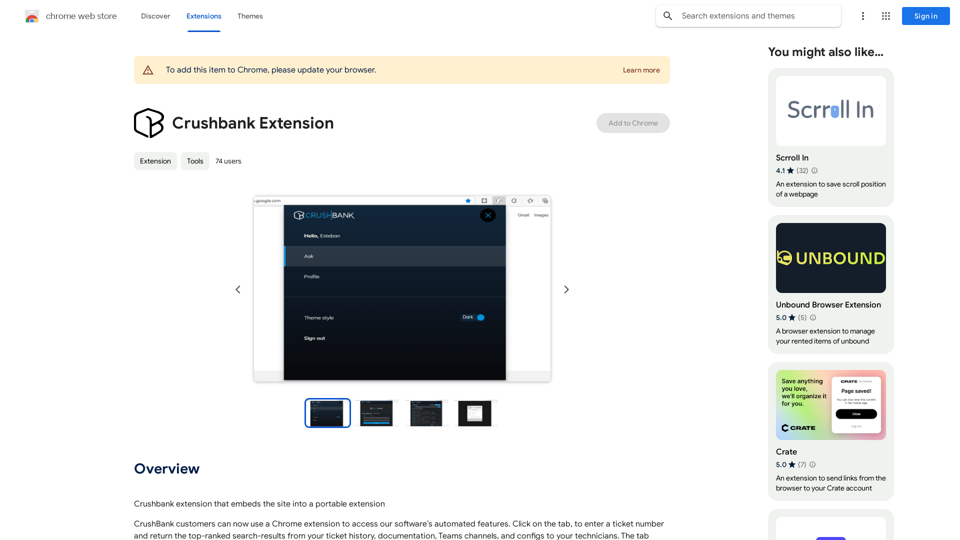
A browser extension for Crushbank that lets you use the site in a standalone, portable way.
193.90 M
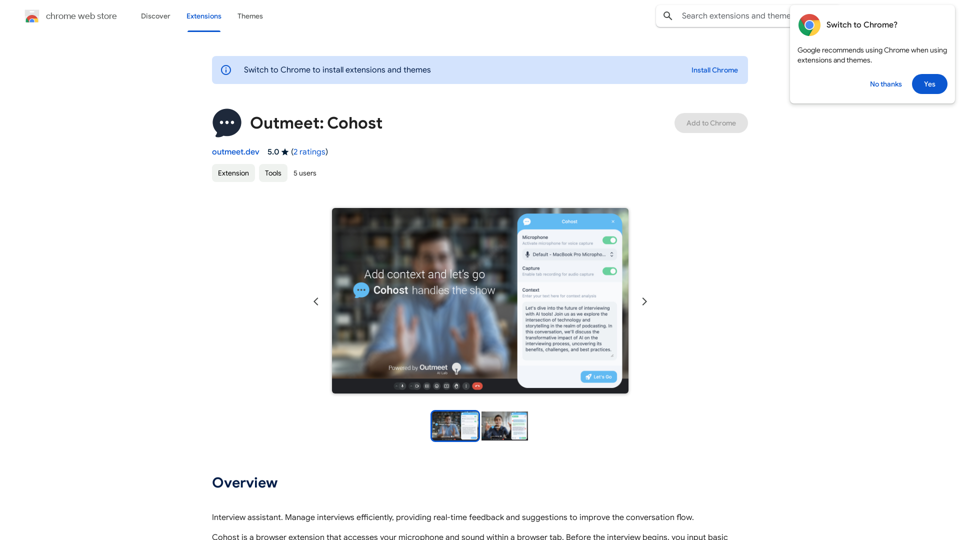
Interview assistant. Manage interviews efficiently, providing real-time feedback and suggestions to improve the conversation flow.
193.90 M
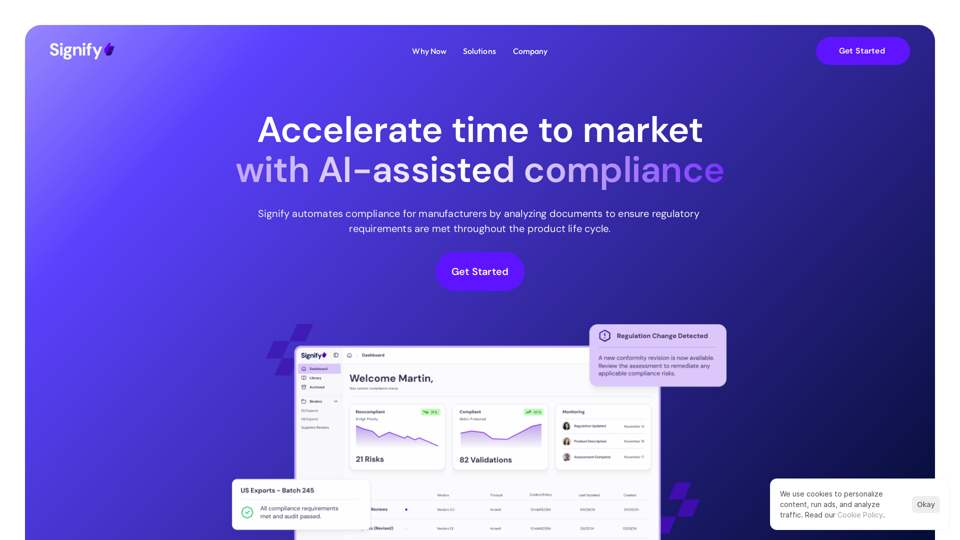
Signify - Compliance Management System for Manufacturing
Signify - Compliance Management System for ManufacturingSignify automates compliance for manufacturers by analyzing documents to ensure regulatory requirements are met throughout the product lifecycle.
3.17 K