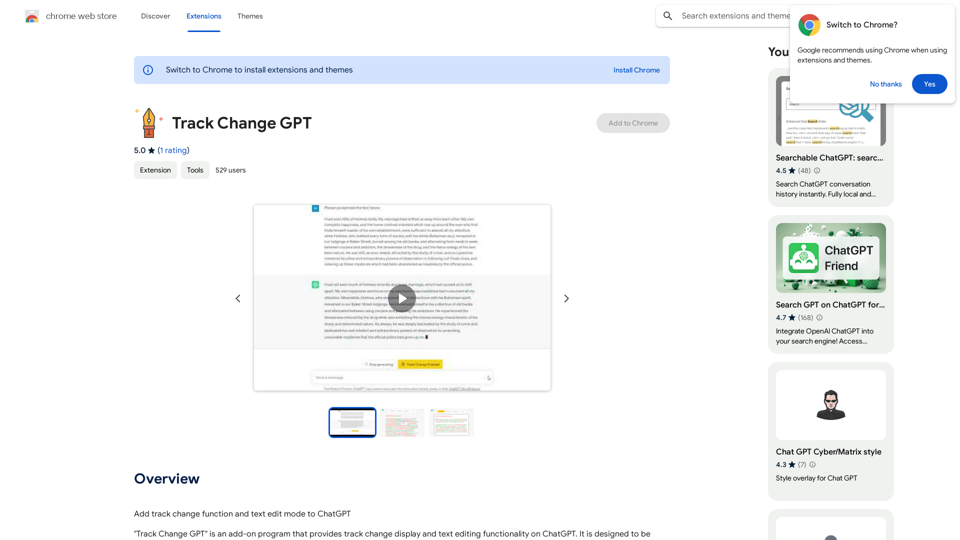
Track Change GPT est un programme complémentaire pour ChatGPT qui améliore les capacités d'édition de texte en offrant une fonctionnalité d'affichage des modifications. Il propose une interface simple et intuitive pour une édition de texte et un suivi des modifications faciles, ce qui en fait un outil précieux pour les utilisateurs qui ont besoin de collaborer ou de réviser du contenu généré par l'IA.
Suivi des modifications GPT
Ajouter une fonction de suivi des modifications et un mode de modification de texte à ChatGPT.
Introduction
Fonctionnalité
Activer/désactiver la fonctionnalité de suivi des modifications
Les utilisateurs peuvent facilement activer ou désactiver la fonction de suivi des modifications à l'aide du bouton dédié Track Change, offrant une flexibilité dans leur interaction avec le texte.
Surlignage en couleur
Lorsque le suivi des modifications est activé, les différences entre le texte original et le contenu généré par l'IA sont visuellement mises en évidence à l'aide d'un code couleur, facilitant l'identification des modifications.
Mode Édition
La fonction Mode Édition permet aux utilisateurs d'interagir avec les parties du texte modifiées par l'IA. Une fenêtre contextuelle apparaît lors du clic sur ces sections, offrant des options pour appliquer ou supprimer les modifications.
Options d'édition complètes
Une fenêtre de menu en haut de la zone de texte propose diverses fonctions d'édition :
- Mode Édition : Pour effectuer des modifications de texte
- Tout accepter : Appliquer toutes les modifications suggérées
- Tout rejeter : Supprimer toutes les modifications suggérées
- Annuler : Annuler les modifications apportées par l'utilisateur
Support multilingue
Track Change GPT prend en charge plusieurs langues, le rendant accessible à une base d'utilisateurs mondiale.
Disponibilité gratuite
Le programme complémentaire est disponible gratuitement en téléchargement sur le Chrome Web Store, assurant l'accessibilité pour tous les utilisateurs.
FAQ
Comment installer Track Change GPT ?
Téléchargez le programme complémentaire depuis le Chrome Web Store et suivez les instructions d'installation fournies.
Comment utiliser Track Change GPT ?
Activez ou désactivez la fonctionnalité de suivi des modifications à l'aide du bouton Track Change. Utilisez l'interface intuitive pour éditer le texte et suivre les modifications selon vos besoins.
Track Change GPT est-il gratuit ?
Oui, Track Change GPT est un programme complémentaire gratuit disponible en téléchargement sur le Chrome Web Store.
Sites web connexes
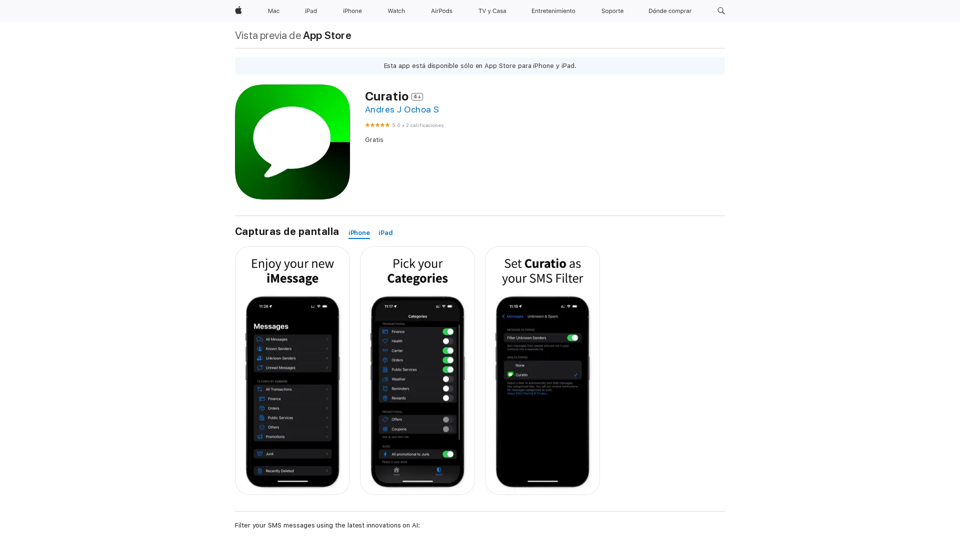
Filtrez vos messages SMS en utilisant les dernières innovations en IA : - Curatio catégorise chaque nouveau message SMS sans aucune instruction préalable. - Curatio filtre chaque message pour vous offrir une expérience de messagerie plus sécurisée et plus efficace.
124.77 M
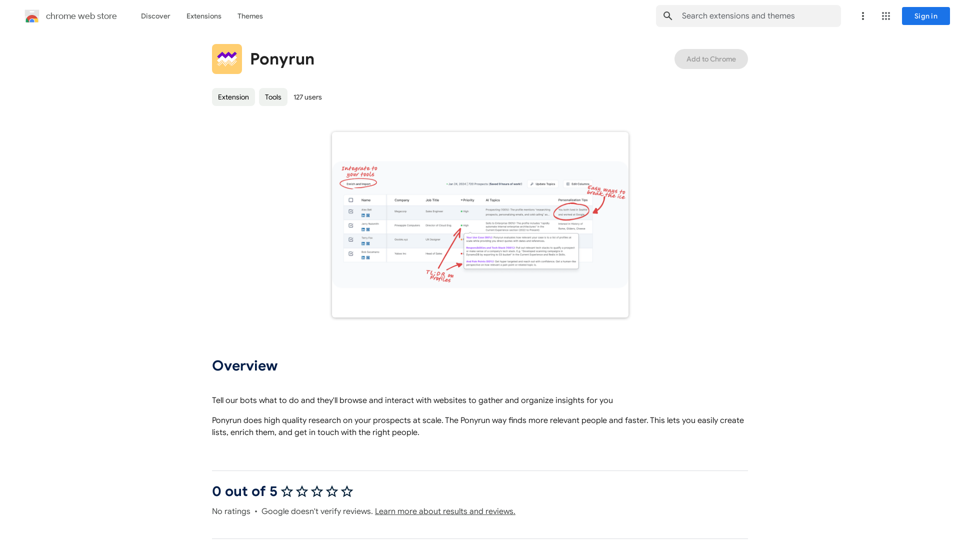
Dites à nos robots ce que vous voulez qu'ils fassent et ils parcourront et interagiront avec des sites Web pour collecter et organiser des informations pour vous.
193.90 M
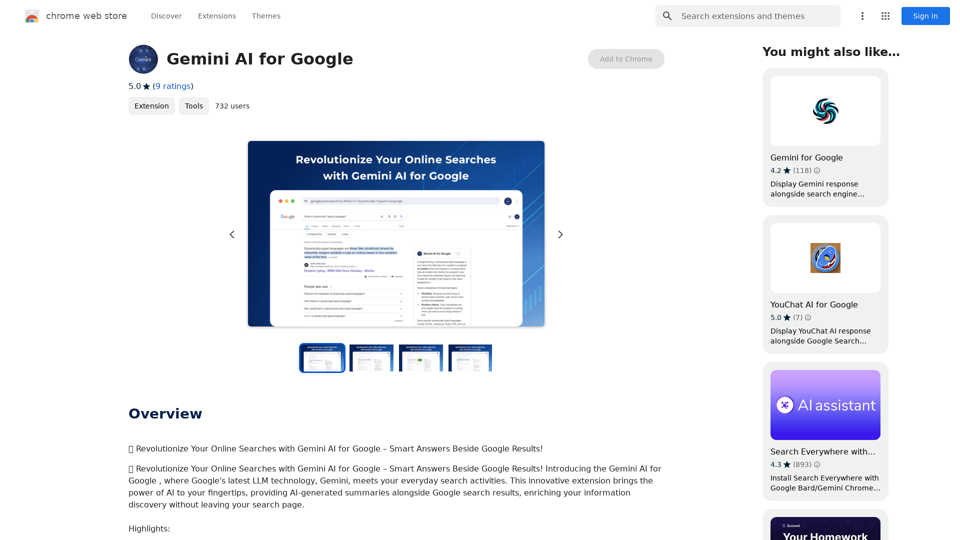
🗨️ Révolutionnez vos recherches en ligne avec Gemini AI pour Google – Des réponses intelligentes à côté des résultats Google !
193.90 M
I can do that! Just paste the web article you'd like me to summarize, and I'll use my GPT-4 abilities to provide a professional, concise summary.
193.90 M
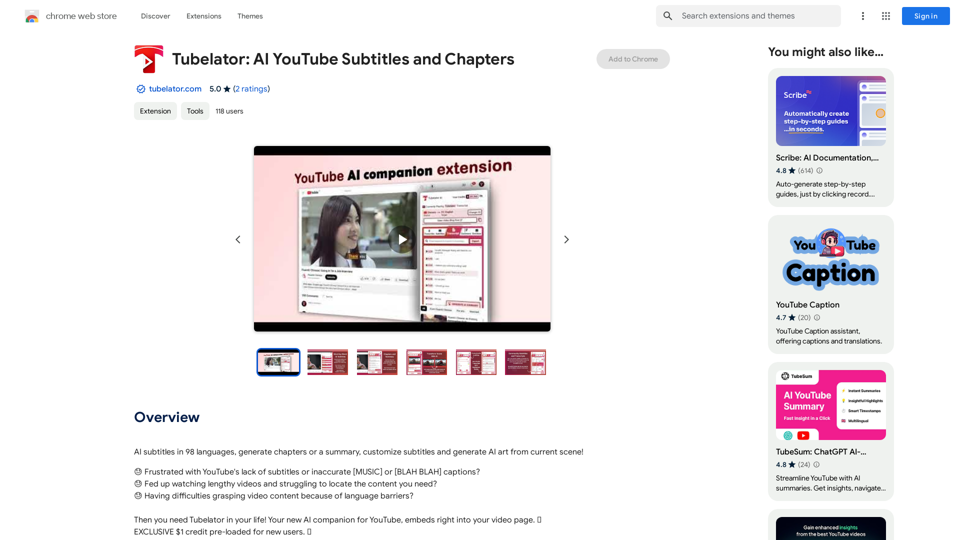
Tubelator : Sous-titres et chapitres IA pour YouTube
Tubelator : Sous-titres et chapitres IA pour YouTubeSous-titres IA dans 98 langues, génération de chapitres ou d'un résumé, personnalisation des sous-titres et génération d'art IA à partir de la scène actuelle !
193.90 M